 CLEBS
CLEBS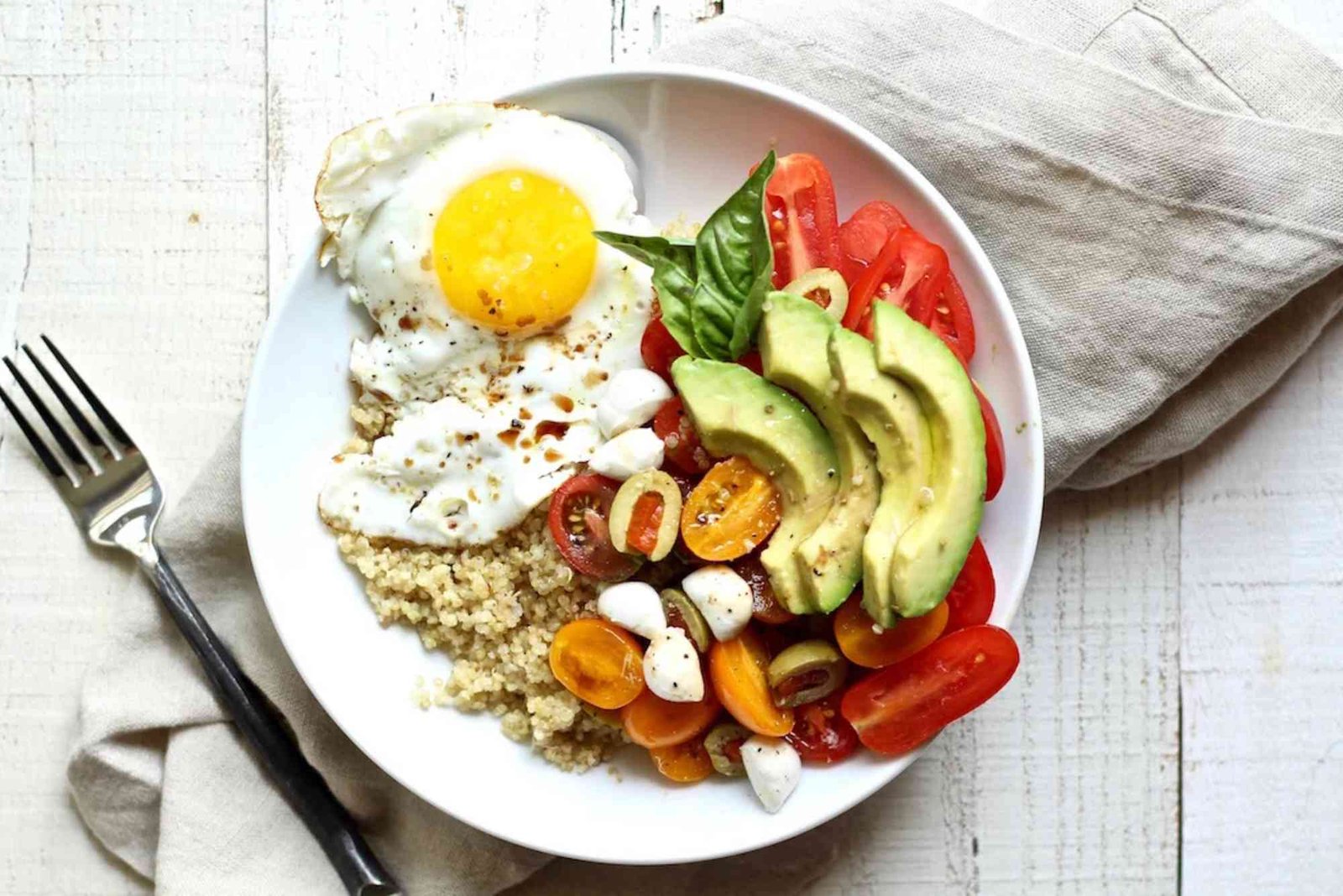
Introduction
Healthy mornings begin with smart choices, and learning how to make healthy breakfast bowls can completely transform your routine. Whether you are heading to work, preparing for a workout, or simply looking for a nourishing start, breakfast bowls offer flexibility, flavor, and balance in one simple dish.
Unlike traditional breakfasts that may rely on processed foods, healthy breakfast bowls combine whole grains, lean proteins, healthy fats, and fresh produce. The result is a meal that keeps you full longer and supports steady energy levels. If you have ever wondered how to make healthy breakfast bowls that are both delicious and nutrient-dense, this comprehensive guide will walk you through every step.
Why Healthy Breakfast Bowls Are a Smart Choice
Understanding how to make healthy breakfast bowls begins with knowing why they work so well. A balanced bowl supports blood sugar stability and sustained focus. Instead of grabbing a pastry or sugary cereal, you build a complete meal in one container.
Healthy breakfast bowls are customizable. They suit vegan, vegetarian, gluten-free, and high-protein diets. Moreover, they reduce decision fatigue in the morning because you follow a simple formula.
Nutrition experts at the Academy of Nutrition and Dietetics emphasize the importance of combining fiber, protein, and healthy fats at breakfast. You can explore their evidence-based recommendations at for deeper insights into balanced eating patterns.
When you master how to make healthy breakfast bowls, you gain control over ingredients, portion sizes, and nutrient quality.

The Basic Formula for a Balanced Breakfast Bowl
Learning how to make healthy breakfast bowls becomes easy when you follow a structure. Think of it as building blocks.
Start with a Nutrient-Dense Base
Your base provides fiber and slow-digesting carbohydrates. Good options include oats, quinoa, brown rice, chia pudding, or Greek yogurt. Each base delivers a different texture and nutrient profile.
For example, oats contain beta-glucan fiber, which supports heart health. Quinoa offers plant-based protein. Greek yogurt adds probiotics and calcium.
Choose one base that aligns with your dietary needs and taste preferences.
Add High-Quality Protein
Protein is essential when deciding how to make healthy breakfast bowls that keep you satisfied. Without protein, you may feel hungry within an hour.
Consider eggs, tofu, nut butter, protein powder, cottage cheese, or smoked salmon. A serving of 15–25 grams of protein is ideal for most adults.
Protein supports muscle recovery, especially if you exercise in the morning. If you follow structured workouts, such as those offered by Orangetheory Fitness, a protein-rich breakfast bowl can enhance recovery and performance.
Incorporating Healthy Fats for Satiety
Healthy fats improve nutrient absorption and increase fullness. When learning how to make healthy breakfast bowls, do not skip this component.
Add avocado slices, chia seeds, flaxseeds, almond butter, walnuts, or coconut flakes. These fats contain omega-3s and monounsaturated fats that support heart health.
However, portion control matters. Healthy fats are calorie-dense. One to two tablespoons are usually sufficient.
Boosting Fiber and Micronutrients with Fruits and Vegetables
One major benefit of mastering how to make healthy breakfast bowls is increasing fruit and vegetable intake early in the day.
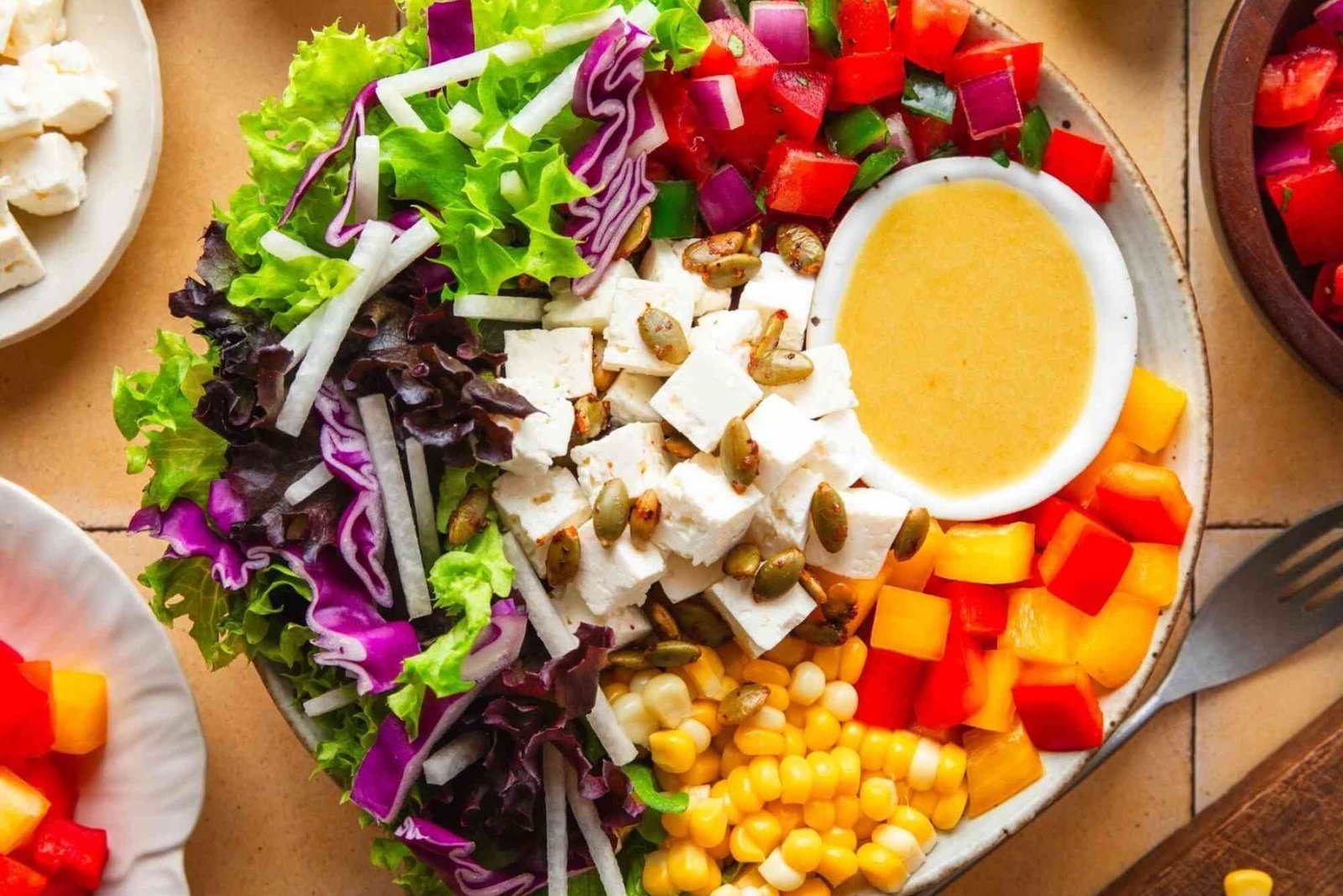
Berries, bananas, apples, and mangoes add natural sweetness. Spinach, kale, roasted sweet potatoes, or sautéed mushrooms work well in savory bowls.
The World Health Organization recommends at least 400 grams of fruits and vegetables daily. Starting at breakfast makes that goal easier to achieve.
Color diversity also matters. Different colors often represent different antioxidants and phytonutrients.
Sweet vs. Savory Healthy Breakfast Bowls
When exploring how to make healthy breakfast bowls, you can choose sweet or savory depending on your cravings.
Sweet Breakfast Bowls
Sweet bowls often use oats, yogurt, or smoothie bases. They include fruit, seeds, and natural sweeteners like honey or dates.
To prevent sugar spikes, combine fruit with protein and fat. For example, pair berries with Greek yogurt and almond butter.
Avoid excessive granola or syrup. Keep sweetness balanced.
Savory Breakfast Bowls
Savory bowls are excellent for those who prefer hearty meals. Start with quinoa or brown rice. Add eggs, avocado, sautéed vegetables, and a drizzle of olive oil.
Savory bowls often contain more protein and fewer simple sugars. They can be especially helpful if you train early in the morning.
How to Make Healthy Breakfast Bowls for Weight Management
Many people search for how to make healthy breakfast bowls to support weight goals. The key is balance and portion awareness.
Focus on high-fiber bases and lean protein. Avoid oversized servings of calorie-dense toppings. Keep added sugars minimal.
Research published by the Harvard T.H. Chan School of Public Health highlights that whole grains and fiber-rich foods help regulate appetite and reduce overeating later in the day. You can read
A properly built bowl should keep you satisfied for at least three to four hours.
Meal Prep Strategies for Busy Mornings
One of the biggest barriers to healthy eating is time. Fortunately, learning how to make healthy breakfast bowls includes mastering preparation techniques.
Prepare grains in bulk on Sundays. Store them in airtight containers. Wash and cut fruits ahead of time. Portion nuts and seeds into small containers.
You can also assemble overnight oat bowls in jars. This approach saves time and reduces stress during busy mornings.
Meal prepping ensures consistency, which is crucial for long-term health habits.
Common Mistakes to Avoid
Even when you know how to make healthy breakfast bowls, small mistakes can reduce their nutritional value.
First, avoid excessive added sugar. Flavored yogurts and sweetened granola can quickly increase calorie intake.
Second, do not skip protein. A fruit-only bowl may taste good but lacks staying power.
Third, watch portion sizes. Large bowls can contain more calories than expected.
Lastly, avoid ultra-processed toppings. Whole ingredients are always preferable.
Sample Balanced Breakfast Bowl (Complete Guide in One Paragraph)
When learning how to make healthy breakfast bowls, imagine building one step by step in a simple, practical way that fits into your morning routine without stress. Start with half a cup of cooked oats as your fiber-rich base, then add three-quarters cup of plain Greek yogurt for protein and creaminess, followed by a handful of blueberries and sliced banana for antioxidants and natural sweetness, sprinkle one tablespoon of chia seeds for omega-3 fats and added texture, and finish with a light drizzle of almond butter to enhance satiety and flavor while keeping portions balanced and nutrient-dense.
How to Customize for Different Dietary Needs
Understanding how to make healthy breakfast bowls also means adapting them for specific diets.
For a vegan bowl, use plant-based yogurt, tofu, or protein powder. Add nuts and seeds for extra protein.
For gluten-free options, choose certified gluten-free oats or quinoa.
For low-carb diets, skip grains and use a vegetable base with eggs and avocado.
Customization makes breakfast bowls sustainable long term.
Hydration and Beverage Pairings
A balanced breakfast bowl pairs well with proper hydration. Water, herbal tea, or black coffee are excellent choices.
Avoid sugar-sweetened beverages. They can undermine the benefits of your healthy breakfast bowl.
Frequently Asked Questions (FAQ)
Are breakfast bowls actually healthy?
Yes, breakfast bowls are healthy when balanced correctly. Include fiber, protein, and healthy fats. Avoid excess sugar and processed ingredients.
What is the healthiest thing to put in a breakfast bowl?
The healthiest ingredients include whole grains, Greek yogurt, berries, seeds, nuts, and leafy greens. These provide fiber, antioxidants, and protein.
Can breakfast bowls help with weight loss?
Yes, learning how to make healthy breakfast bowls can support weight loss by promoting fullness and stabilizing blood sugar levels.
How much protein should a breakfast bowl have?
Aim for 15–25 grams of protein per serving. This amount supports satiety and muscle maintenance.
Can I meal prep breakfast bowls for the week?
Absolutely. Prepare grains, portion toppings, and store ingredients separately. Assemble fresh for best texture.
The Long-Term Benefits of Healthy Breakfast Bowls
When you consistently practice how to make healthy breakfast bowls, you build sustainable habits. Balanced breakfasts improve focus, reduce cravings, and support metabolic health.
Over time, small daily decisions compound into measurable health improvements. Breakfast bowls are not a diet trend. They are a practical nutrition strategy.
Start Building Better Mornings Today
Now that you understand how to make healthy breakfast bowls, you have the tools to transform your mornings. By combining whole grains, lean protein, healthy fats, and colorful produce, you create meals that fuel both body and mind.
Start simple. Choose one base, add protein, include fruits or vegetables, and finish with healthy fats. Experiment with flavors and textures. Adjust portions based on your needs.
If you’re looking for helpful information and useful online resources, be sure to visit clebsbio.com. This platform offers a variety of insightful content designed to keep readers informed and updated on different topics. Whether you are exploring new ideas or searching for valuable guides, clebsbio.com is a great place to start. Check it out and discover content that can broaden your knowledge and provide practical insights.
Written by Clebsbio Editorial Team
Our specialized team of journalists and financial analysts cover technology, business, real estate, and economic developments across the United Arab Emirates and broader GCC region.