The Middle East is one of the world’s most fascinating travel regions. It blends ancient history, deep-rooted culture, modern cities, and dramatic landscapes. For travelers seeking unique experiences, the best places to visit in the Middle East for tourists offer unmatched diversity. From sacred religious sites to luxury destinations, the region appeals to every travel style.
What makes the Middle East special is its contrast. You can walk through ruins thousands of years old, then step into futuristic skylines the same day. Food, hospitality, and traditions also shape unforgettable journeys. This guide explores destinations that truly define Middle Eastern tourism.
Why the Middle East Is a Top Travel Destination
The Middle East sits at the crossroads of civilization. Many of the world’s earliest cities and cultures began here. Today, improved infrastructure and tourism investment make travel easier than ever.
Visitors enjoy warm hospitality, rich cuisine, and meaningful cultural encounters. The region also offers year-round travel options. While summers can be intense, winter brings ideal sightseeing weather. These advantages explain why global tourism continues to grow here.
Dubai, United Arab Emirates – Modern Luxury and Innovation
Dubai is often the first stop for tourists exploring the Middle East. The city represents modern ambition at its finest. Towering skyscrapers, luxury malls, and man-made islands define its skyline.
Beyond glamour, Dubai offers cultural depth. Old districts like Al Fahidi reveal traditional Emirati life. Desert safaris, dhow cruises, and local markets balance the modern appeal. Dubai’s safety and connectivity make it ideal for first-time visitors.
Abu Dhabi – Culture, Art, and Heritage
Abu Dhabi feels calmer and more refined than Dubai. The city focuses heavily on culture and heritage. The Sheikh Zayed Grand Mosque stands as one of the world’s most beautiful religious structures.
Museums and cultural districts showcase global and regional art. The Corniche offers scenic waterfront views perfect for relaxation. Abu Dhabi is ideal for travelers seeking cultural richness with modern comfort.
Petra, Jordan – The Rose-Red Wonder
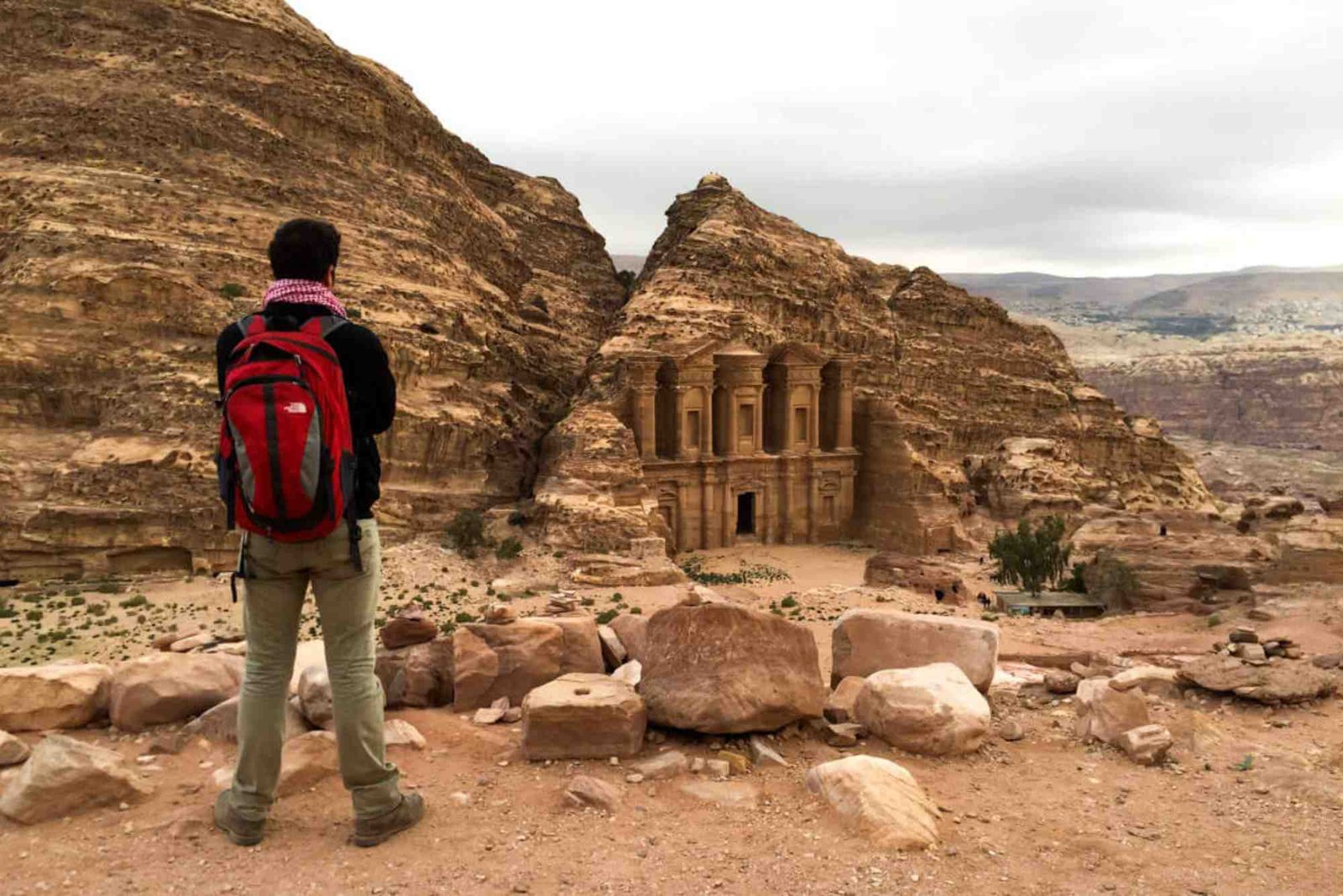
Petra remains one of the most iconic archaeological sites on Earth. Carved into rose-colored cliffs, this ancient Nabataean city amazes every visitor. Walking through the Siq builds anticipation before revealing the Treasury.
Beyond the main attractions, Petra offers hidden trails and tombs. Nearby Wadi Rum adds desert adventure to the experience. Jordan’s hospitality further enhances the journey.
Jerusalem – A Sacred City for Three Faiths
Jerusalem holds spiritual importance for Judaism, Christianity, and Islam. Its religious significance makes it one of the most visited cities in the region. The Old City contains holy sites within walking distance.
Despite political complexities, guided tourism remains common. Visitors experience powerful history, vibrant markets, and layered architecture. Jerusalem offers emotional depth unmatched by most destinations.
Istanbul – Where Europe Meets the Middle East
Although partly European, Istanbul plays a major role in Middle Eastern tourism. The city connects continents through culture, food, and history. Ottoman palaces, mosques, and bazaars dominate the landscape.
The Bosphorus Strait adds scenic charm. Turkish cuisine alone attracts food lovers worldwide. Istanbul’s energy and accessibility make it a favorite stop for international tourists.
Muscat, Oman – Tradition and Natural Beauty
Muscat offers a slower, more authentic Middle Eastern experience. The city preserves traditional architecture and cultural values. Whitewashed buildings and coastal mountains create a stunning backdrop.
Oman is known for its friendliness and safety. Visitors enjoy beaches, forts, and nearby wadis. Muscat suits travelers seeking calm exploration over fast-paced tourism.
Cairo – Gateway to Ancient Egypt
Cairo introduces travelers to one of history’s greatest civilizations. The Great Pyramids of Giza stand just outside the city. Museums house priceless artifacts, including royal mummies.
The city itself feels vibrant and chaotic. Markets, mosques, and Nile cruises define daily life. Cairo rewards curious travelers willing to explore beyond comfort zones.
Doha – Rising Star of the Gulf
Doha has emerged as a cultural and sporting hub. Modern architecture lines the Corniche, while museums preserve Qatari heritage. The city gained global attention through major international events.
Doha balances tradition with innovation. Souqs, art districts, and luxury hotels coexist smoothly. It is an excellent choice for travelers seeking something new in the Middle East.
Riyadh and AlUla – Saudi Arabia’s New Tourism Era
Saudi Arabia has opened its doors to international tourism. Riyadh showcases modern development and national museums. AlUla, however, captures global attention with ancient rock formations and heritage sites.
These destinations reveal a side of the Middle East previously unseen by tourists. Cultural respect and guided experiences are essential. Saudi Arabia now plays a key role in regional travel.
Best Time to Visit the Middle East
Timing matters when visiting the Middle East. October to April offers the most comfortable weather. During these months, sightseeing becomes enjoyable and festivals take place.
Summer travel is possible but challenging due to extreme heat. Coastal areas and luxury resorts manage temperatures better. Planning according to climate ensures a smoother experience.
Cultural Tips for Tourists
Understanding local customs improves travel experiences. Modest clothing is advised in religious and traditional areas. Respectful behavior earns appreciation across the region.
Learning basic greetings helps build connections. Photography rules vary, especially near people or religious sites. Cultural awareness enhances safety and enjoyment.
Why the Middle East Should Be on Your Travel List
The best places to visit in the Middle East for tourists offer unmatched depth and diversity. From futuristic cities to ancient ruins, every destination tells a powerful story. Few regions blend history, culture, and modern life so seamlessly.
Whether you seek adventure, spirituality, luxury, or education, the Middle East delivers. Start planning your journey today and experience a region that continues to shape the world. Share this guide with fellow travelers and begin your exploration.
Frequently Asked Questions (FAQs)
Is the Middle East safe for tourists?
Most tourist areas are safe with proper planning. Many countries invest heavily in tourism security.
Which Middle Eastern country is best for first-time visitors?
The United Arab Emirates and Jordan are popular choices for first-time travelers.
Do tourists need visas for Middle Eastern countries?
Visa requirements vary by nationality. Many countries now offer visa-on-arrival or e-visas.
What should tourists wear in the Middle East?
Modest clothing is recommended, especially in religious and rural areas.
How many days are enough for a Middle East trip?
A 10 to 14-day itinerary allows exploration of multiple destinations comfortably.