Wildlife safaris offer a rare chance to witness nature at its most powerful and untouched. For passionate travelers, choosing the best safari destinations for wildlife lovers can define an entire journey. From vast African savannahs to dense Asian jungles, safaris deliver unforgettable encounters with iconic species. This guide explores the world’s most rewarding safari destinations, based on biodiversity, conservation success, and real travel experience. Whether you dream of seeing lions at sunrise or tracking tigers through misty forests, this article helps you plan with confidence and clarity.
Why Safari Travel Is Unmatched for Wildlife Lovers
Safari travel creates a deep connection between humans and nature. Unlike zoos or reserves, safaris place you directly in the animals’ natural habitat. This immersive experience builds respect for wildlife and conservation efforts. Many travelers report that their first safari changed how they see the natural world forever.
Another reason safaris stand out is diversity. You may witness predators hunting, elephants caring for their young, or birds migrating across continents. These moments are unscripted and raw. For wildlife lovers, no other travel experience compares to this level of authenticity and emotional impact.
Africa: The Heart of the World’s Best Safari Destinations
Africa remains central when discussing the best safari destinations for wildlife lovers. The continent offers unmatched ecosystems and species variety. From grasslands to wetlands, Africa’s landscapes support large animal populations and dramatic wildlife interactions.
Kenya: Iconic Wildlife and the Great Migration
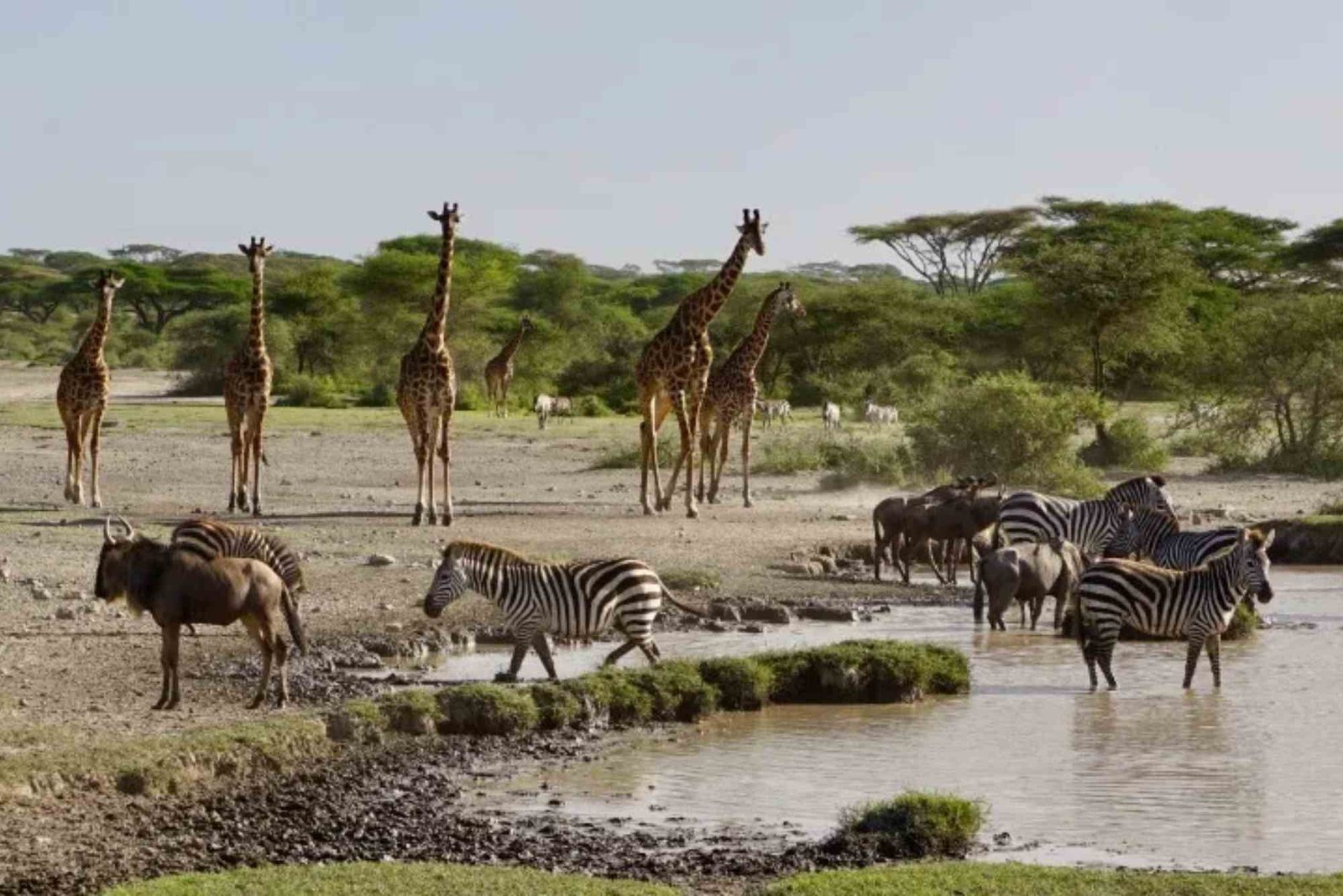
Kenya is often the first choice for safari enthusiasts. The Maasai Mara ecosystem supports lions, cheetahs, elephants, and rhinos. It is also famous for the Great Migration, where millions of wildebeest and zebras cross the plains. Seeing this event in person feels like watching nature’s greatest documentary unfold live.
Kenya also excels in community-based conservation. Local Maasai guides bring cultural insight and expert tracking skills. Their knowledge enhances every game drive and strengthens ethical tourism practices across the region.
Tanzania: Vast Wilderness and Unspoiled Beauty
Tanzania offers scale and solitude. The Serengeti National Park stretches endlessly, allowing wildlife to roam freely. Ngorongoro Crater adds a unique setting, with dense animal populations inside an ancient volcanic caldera. These environments make Tanzania one of the most reliable places to see the Big Five.
Travelers often appreciate Tanzania’s balance of luxury and raw nature. Camps blend comfort with minimal environmental impact. This approach aligns well with responsible wildlife travel principles.
Southern Africa: Conservation Success Stories
Southern Africa has earned global respect for conservation leadership. Countries here invest heavily in protected areas and anti-poaching initiatives. As a result, wildlife numbers continue to recover in many regions.
Botswana: Low Impact, High Reward Safaris
Botswana focuses on exclusive, low-volume tourism. This model protects ecosystems while offering exceptional sightings. The Okavango Delta is a standout destination, transforming seasonal floods into a wildlife haven. Safaris by boat, foot, or vehicle reveal elephants, hippos, and rare antelope species.
For wildlife lovers seeking privacy and authenticity, Botswana delivers consistently. The country’s strict conservation laws ensure long-term sustainability and ethical travel experiences.
South Africa: Accessibility and Biodiversity
South Africa combines modern infrastructure with rich wildlife. Kruger National Park remains one of Africa’s most accessible safari destinations. Visitors can self-drive or join guided tours, making it suitable for first-time safari travelers.
Beyond Kruger, private reserves offer intimate encounters and expert-led tracking. South Africa also excels in marine wildlife, adding value for travelers interested in diverse ecosystems.
Asia: Exotic and Lesser-Known Safari Destinations
While Africa dominates safari conversations, Asia offers equally thrilling wildlife experiences. These destinations appeal to travelers seeking rare species and cultural depth.
India: Land of the Bengal Tiger
India stands out among the best safari destinations for wildlife lovers due to its tiger reserves. Parks like Ranthambore and Bandhavgarh provide strong chances of spotting Bengal tigers in the wild. These forests feel mysterious, with ancient ruins and dense vegetation adding atmosphere.
India’s conservation programs have helped tiger populations rebound. Guided safaris emphasize responsible viewing, ensuring minimal disturbance to animals. For wildlife lovers, seeing a tiger in its natural habitat is a once-in-a-lifetime experience.
Sri Lanka: Compact Yet Wildlife-Rich
Sri Lanka surprises many travelers. Despite its small size, the island hosts elephants, leopards, sloth bears, and whales. Yala National Park is particularly famous for leopard density. The proximity of parks makes it easy to combine wildlife viewing with cultural exploration.
Sri Lanka’s safaris feel intimate and approachable. Short travel distances allow more time in nature and less time on the road. This balance appeals to travelers seeking depth without exhaustion.
South America: Biodiversity Beyond Expectations
South America often flies under the radar for safari-style travel. However, its ecosystems rival any continent in terms of species diversity.
Brazil: The Pantanal’s Wildlife Spectacle
The Pantanal is one of the world’s richest wetlands. Unlike dense rainforests, its open landscapes make wildlife easier to spot. Jaguars, caimans, giant otters, and hundreds of bird species thrive here. Many wildlife lovers rate the Pantanal higher than the Amazon for animal sightings.
Brazil’s conservation lodges in the Pantanal focus on education and sustainability. Guided excursions provide close encounters while respecting animal behavior and habitats.
Choosing the Right Safari for Your Interests
Not all safaris offer the same experience. Some focus on predators, while others highlight birdlife or marine species. Understanding your priorities helps narrow choices. Seasonality also matters, as animal movements depend on rainfall and food availability.
Budget, comfort level, and travel time influence decisions as well. Luxury lodges offer convenience and expert guides. Mobile camps provide adventure and immersion. Both options suit wildlife lovers, depending on personal preference.
If you are interested in wellness-focused travel planning, you may enjoy insights found in “” or explore travel preparation tips in “”. For those balancing fitness and adventure lifestyles, resources like “” can also support long-term travel goals.
Ethical Safari Travel and Conservation Impact
Responsible safari travel directly supports conservation. Park fees fund anti-poaching units and habitat protection. Local employment reduces reliance on harmful land use practices. Choosing ethical operators ensures your trip benefits wildlife and communities.
Wildlife lovers should avoid experiences that involve animal exploitation. Ethical safaris observe animals from a respectful distance. Guides prioritize animal welfare over close encounters. This approach preserves natural behavior and long-term population health.
Best Time to Visit Safari Destinations
Timing affects wildlife visibility. Dry seasons concentrate animals around water sources, improving sightings. Wet seasons offer lush landscapes and newborn animals, though visibility may decrease. Each season has advantages, depending on destination and species focus.
Researching migration patterns and breeding cycles adds value to planning. Wildlife lovers who align travel dates with natural rhythms often enjoy richer experiences and better photographic opportunities.
Frequently Asked Questions About Safari Travel
What is the best safari destination for first-time travelers?
Many first-time travelers choose Kenya or South Africa. These destinations offer reliable wildlife sightings and strong infrastructure. Guided experiences make the journey smooth and educational.
When is the best time to go on a safari?
The best time depends on location. Generally, dry seasons provide better visibility. However, some wildlife events occur during wet seasons, such as migrations or calving periods.
Are safaris safe for families and solo travelers?
Yes, safaris are generally safe when booked with reputable operators. Professional guides prioritize safety at all times. Many lodges also cater specifically to families and solo travelers.
How much does a typical safari cost?
Safari costs vary widely. Budget options exist, especially in South Africa and Sri Lanka. Luxury safaris cost more but include private guides, premium lodging, and exclusive access.
Do safaris harm wildlife?
Ethical safaris support conservation rather than harm wildlife. Responsible operators follow strict guidelines. Travelers should research operators to ensure ethical standards are met.
Plan Your Ultimate Wildlife Adventure
Exploring the best safari destinations for wildlife lovers opens the door to life-changing experiences. From Africa’s iconic plains to Asia’s hidden jungles, safaris reveal nature’s power and beauty. Each destination offers unique lessons about conservation and coexistence.