
Introduction
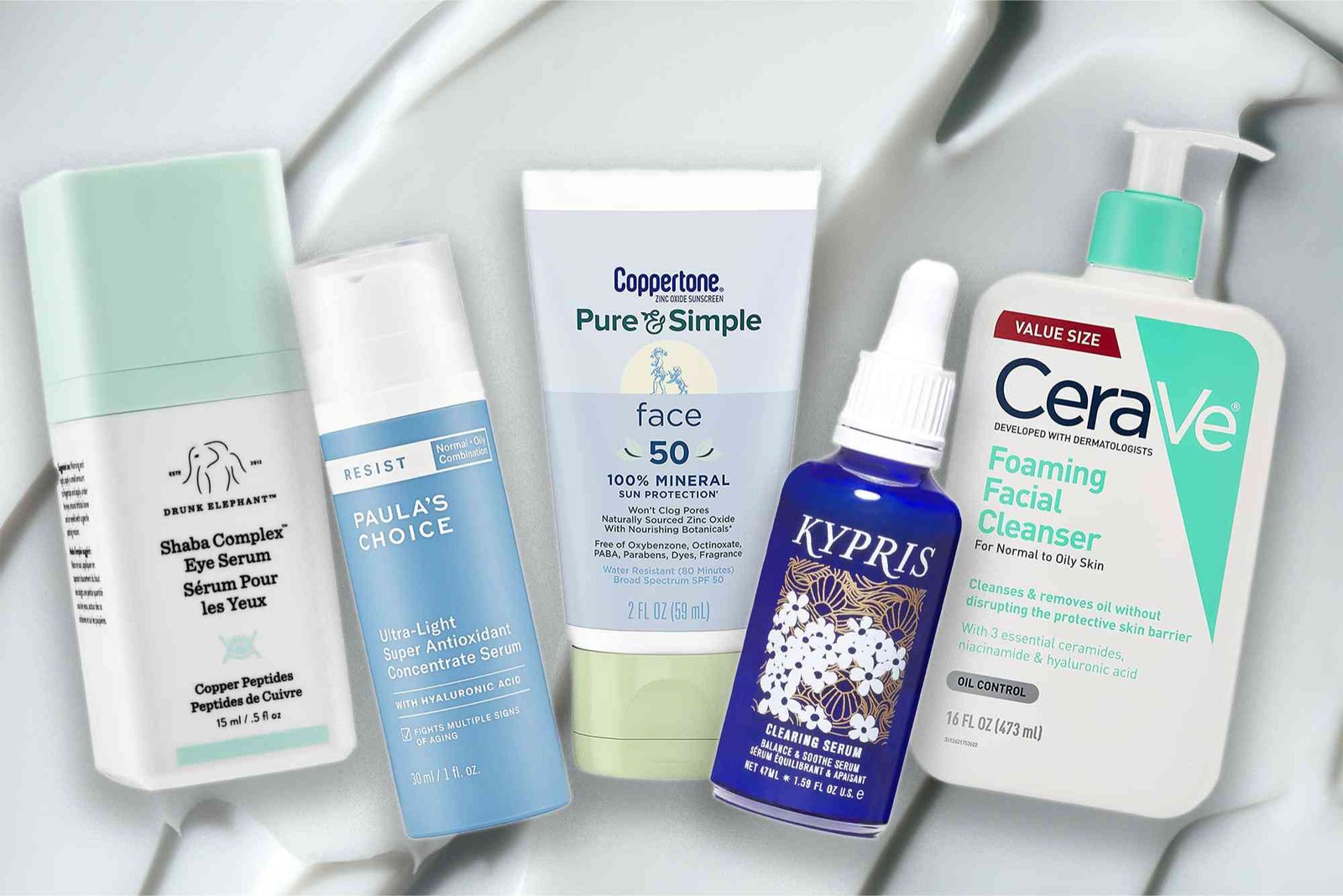
Oily skin can be both a blessing and a challenge. While natural oils help keep the skin hydrated and delay aging, excess sebum can lead to acne, clogged pores, and an unwanted shine. Finding the best skincare routine for oily skin is essential for balancing oil production, maintaining healthy skin, and achieving a radiant complexion. In this article, we will guide you through an expert-approved skincare routine, tips, and product recommendations to manage oily skin effectively.
Understanding Oily Skin
Oily skin occurs when sebaceous glands produce more sebum than necessary. Genetics, hormones, diet, and environmental factors all contribute to oil production. Recognizing your skin type is the first step toward a personalized skincare routine. Signs of oily skin include:
-
Visible shine on the forehead, nose, and cheeks
-
Enlarged pores
-
Frequent acne breakouts
-
Makeup that slides off easily
Understanding these characteristics helps you choose products and techniques that control oil without over-drying your skin. Over-cleansing or harsh products can disrupt the skin barrier, leading to even more oil production.
Key Principles of the Best Skincare Routine for Oily Skin
The goal of an effective oily skin routine is to:
-
Remove excess oil and impurities
-
Prevent breakouts and blackheads
-
Maintain hydration without heaviness
-
Protect the skin from environmental stressors
A consistent routine with the right products can drastically improve skin texture and reduce shine over time.
Morning Skincare Routine for Oily Skin
Cleanser: Start with a Gentle Wash
Cleansing is crucial for oily skin, but the best approach is gentle, not stripping. Use a foaming or gel-based cleanser with ingredients like salicylic acid or glycolic acid. These help remove excess oil, dirt, and sweat while keeping the skin balanced. Avoid bar soaps or harsh cleansers that leave your skin tight and dry.
Toner: Balance and Refresh
A toner can restore pH levels and prepare the skin for serum and moisturizer. Choose an alcohol-free formula with soothing ingredients like witch hazel or niacinamide. Toners help minimize pore appearance and control oil without irritation.
Serum: Targeted Treatment
Serums are lightweight but packed with active ingredients. For oily skin, look for serums containing niacinamide, vitamin C, or hyaluronic acid. Niacinamide regulates sebum production and reduces redness, while hyaluronic acid provides hydration without clogging pores.
Moisturizer: Light and Oil-Free
Moisturizing oily skin is essential, even if it feels greasy. Skip heavy creams and opt for gel-based or water-based moisturizers. These hydrate the skin and prevent it from overproducing oil due to dehydration.
Sunscreen: Essential Protection
Sun protection is non-negotiable. Use a non-comedogenic, oil-free sunscreen with at least SPF 30. Mineral or gel-based sunscreens work best for oily skin, as they provide protection without adding extra shine.
Evening Skincare Routine for Oily Skin
Double Cleansing: Remove Makeup and Impurities
Even if you don’t wear makeup, a double cleansing routine can help. Start with an oil-based cleanser to dissolve sunscreen and impurities, followed by a gentle gel cleanser to remove excess oil. This ensures your skin is thoroughly clean without stripping natural moisture.
Exfoliation: Once or Twice a Week
Exfoliation removes dead skin cells that can clog pores. Use chemical exfoliants like AHAs or BHAs rather than physical scrubs, which can irritate oily skin. Salicylic acid penetrates pores and reduces blackheads, making it ideal for oily skin management.
Treatment: Target Acne or Breakouts
Spot treatments with benzoyl peroxide or tea tree oil can address breakouts. Apply only on affected areas to avoid drying the rest of the skin. Consistency is key, and overuse can lead to irritation.
Moisturize: Lock in Hydration
Even at night, moisturizing is important. Choose a lightweight gel moisturizer to keep skin hydrated while repairing overnight. Some products also contain ingredients like retinol or peptides to promote cell renewal and improve texture.
Weekly Additions for Healthy Oily Skin
Adding masks and treatments once or twice a week can further control oil and improve skin clarity. Clay masks absorb excess sebum and impurities, while hydrating masks ensure the skin doesn’t become dehydrated. Avoid overusing masks, as it can lead to rebound oil production.
Diet and Lifestyle Tips for Oily Skin
Your skincare routine isn’t the only factor in controlling oily skin. Lifestyle habits play a significant role:
-
Stay hydrated by drinking plenty of water
-
Eat a balanced diet rich in vegetables, fruits, and lean proteins
-
Avoid excessive sugary and fried foods, which can trigger breakouts
-
Get adequate sleep to regulate hormone levels
-
Manage stress, as stress can increase oil production
Incorporating these habits can enhance the effectiveness of your skincare routine and improve overall skin health.
Common Mistakes to Avoid
Many people with oily skin make the mistake of over-cleansing or using harsh products. These actions strip the skin of natural oils, prompting sebaceous glands to produce even more oil. Other common mistakes include skipping moisturizer, using heavy makeup, or neglecting sunscreen. A consistent routine with the right products is more effective than extreme measures.
Recommended Ingredients for Oily Skin
When selecting skincare products, look for ingredients that regulate oil, prevent acne, and soothe the skin:
-
Salicylic Acid: Penetrates pores to remove excess oil and prevent breakouts
-
Niacinamide: Balances sebum production and improves skin texture
-
Hyaluronic Acid: Provides lightweight hydration
-
Tea Tree Oil: Natural antibacterial agent for acne-prone skin
-
Clay Extracts: Absorb excess oil and impurities
Avoid ingredients like heavy oils, waxes, and silicone-heavy products that can worsen shine and clog pores.
Tips for Maintaining a Shine-Free Look
In addition to your skincare routine, you can take simple steps to reduce daily oiliness:
-
Use blotting papers to absorb excess oil during the day
-
Opt for mattifying primers or foundations for makeup
-
Keep your hands away from your face to prevent transferring dirt and oil
-
Wash pillowcases regularly to avoid bacterial buildup
These small adjustments can enhance the results of your skincare routine and keep your skin looking fresh.
The best skincare routine for oily skin focuses on balance. Cleansing, toning, moisturizing, and sun protection are essential, combined with targeted treatments to manage oil and prevent breakouts. Consistency and choosing the right products tailored to your skin type make a significant difference. Remember, oily skin doesn’t mean you should avoid hydration—choosing lightweight, non-comedogenic products ensures healthy, radiant skin.
Take control of your skin today by starting a routine that respects its needs, and you’ll notice a visible reduction in shine and breakouts over time. Embrace your skin type and care for it properly, because healthy skin is always in style.
Looking for reliable health and wellness insights? Explore our blog for the latest tips, guides, and expert advice on living a healthier life. Visit our homepage at ClebsBio to discover informative articles, helpful resources, and stay updated on everything related to health, fitness, and well-being. Start your journey toward a healthier lifestyle today
FAQ
How do I reduce oily skin naturally?
Maintain a consistent routine with gentle cleansers, oil-free moisturizers, and regular exfoliation. Diet and hydration also play a role.
Can oily skin become dry?
Yes, over-cleansing or harsh products can strip oil and cause dryness. Balance is key.
Which moisturizer is best for oily skin?
Gel-based, lightweight, non-comedogenic moisturizers are ideal. Look for hydrating ingredients without heavy oils.
How often should I exfoliate oily skin?
Once or twice a week is sufficient. Over-exfoliation can cause irritation and increase oil production.
Does oily skin age slower?
Oily skin tends to retain moisture better, which can delay the appearance of fine lines compared to dry skin.
Is sunscreen necessary for oily skin?
Absolutely. Choose a non-comedogenic, oil-free sunscreen to prevent sun damage without causing extra shine.