Introduction
Eating well at work is a challenge many professionals face. Busy schedules, long meetings, and limited healthy options make grabbing a quick bite tempting. However, preparing nutritious lunches in advance not only supports your health but also boosts energy and productivity throughout the day. With the right planning, you can enjoy a variety of flavorful meals that keep you satisfied without relying on processed foods or office vending machines. This guide shares practical and tasty healthy lunch ideas you can take to work that are easy to prepare and full of nutrients.
Why Preparing a Healthy Lunch Matters
Bringing your own lunch to work is more than just saving money. It allows you to control the ingredients, portion sizes, and overall nutritional balance of your meals. Studies consistently show that people who prepare meals at home tend to consume more vegetables, lean proteins, and whole grains while avoiding excessive sugar and unhealthy fats. Additionally, a well-balanced lunch supports sustained energy levels, mental focus, and better mood throughout the workday. By investing a little time in meal prep, you create a foundation for long-term healthy habits.
Planning Your Work Lunches Effectively
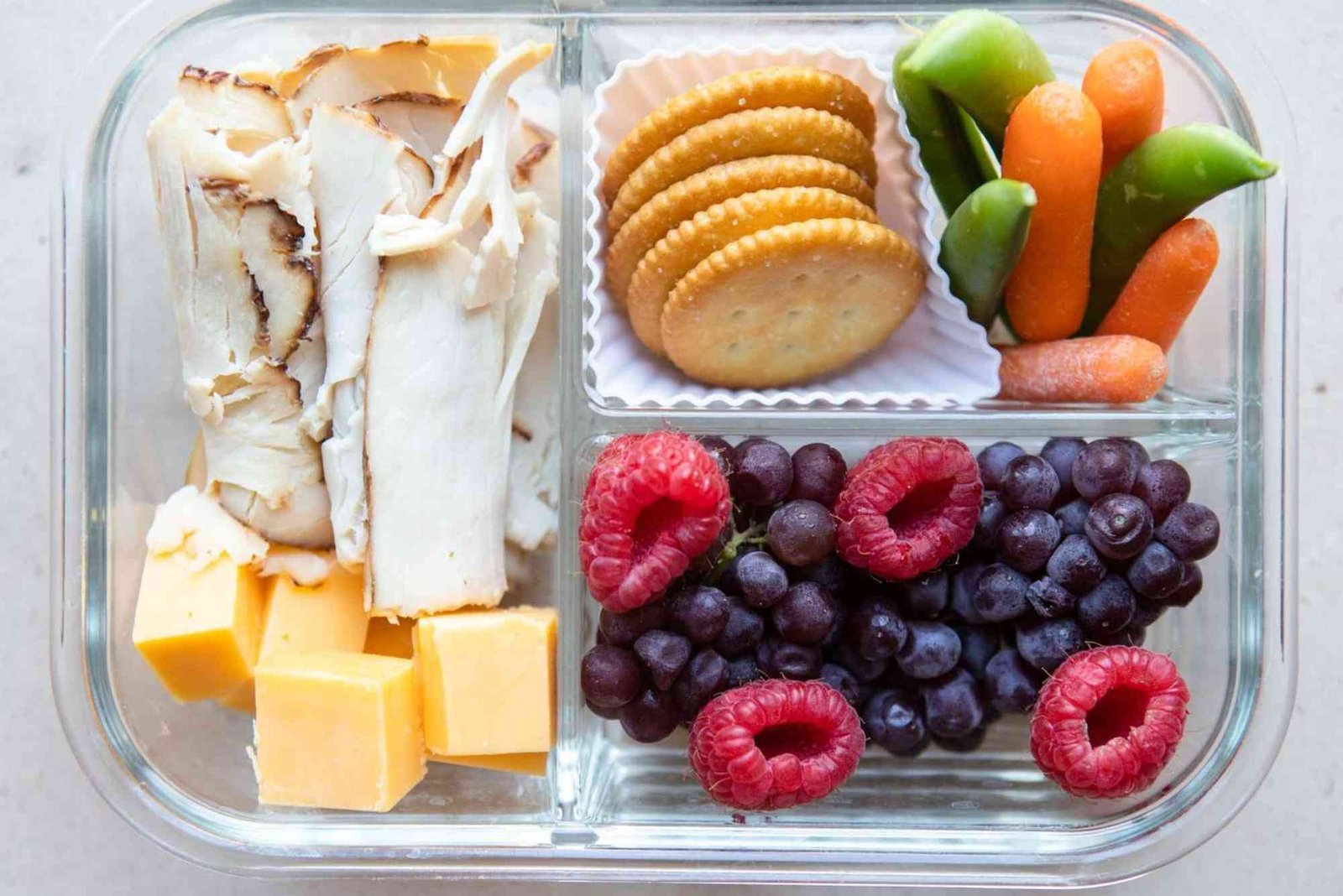
The key to healthy lunches lies in planning. Start by identifying your favorite proteins, vegetables, and grains. Incorporating a variety of colors on your plate ensures a range of nutrients. Using containers that are portion-friendly helps manage serving sizes and reduces food waste. Preparing ingredients in bulk, such as cooking a batch of quinoa or roasting vegetables, can make daily assembly faster. Remember to include healthy fats like avocado, nuts, or olive oil for satiety and brain support.
Quick and Nutritious Salad Ideas
Salads are versatile, quick to assemble, and ideal for work lunches. Start with a base of leafy greens like spinach, kale, or arugula, which are packed with vitamins and antioxidants. Adding lean proteins, such as grilled chicken, chickpeas, or tofu, ensures your salad provides lasting energy. Incorporate colorful vegetables like bell peppers, carrots, or cherry tomatoes for texture and flavor. A simple dressing made from olive oil, lemon juice, and herbs keeps calories in check while enhancing taste. Storing dressing separately prevents soggy greens, making your lunch fresh and crisp when it’s time to eat.
Protein-Packed Wraps and Sandwiches
Wraps and sandwiches offer portability without compromising nutrition. Opt for whole-grain or high-fiber bread to support digestion and maintain energy levels. Filling your wrap with lean protein sources, such as turkey, hummus, or beans, keeps you full longer. Vegetables like cucumbers, spinach, and sprouts add crunch and essential micronutrients. Experimenting with spreads like avocado or Greek yogurt adds creaminess while avoiding processed sauces high in sugar and sodium. These lunch options are especially practical if you prefer handheld meals during short lunch breaks.
Grain Bowls for Balanced Energy
Grain bowls are a creative way to combine proteins, grains, and vegetables in one satisfying meal. Start with a base of quinoa, brown rice, or farro. Layer with roasted or steamed vegetables for fiber and vitamins, and add a protein like salmon, chicken, or tempeh. Adding a flavorful sauce made from tahini, lemon, or yogurt creates a tasty yet nutritious finish. Grain bowls are highly customizable, allowing you to rotate ingredients throughout the week so lunches never feel repetitive. They also travel well, making them ideal for busy office days.
Soups and Stews That Travel Well
Contrary to common belief, soups and stews can be a convenient office lunch. Preparing large batches in advance allows for portioned meals that are easy to heat and enjoy. Choose recipes rich in vegetables, lean meats, legumes, and whole grains to create balanced nutrition. Soups with a tomato or broth base are lower in calories yet filling, and adding beans or lentils boosts protein content. Investing in quality thermos containers ensures your soup stays warm until lunchtime, providing comfort and nourishment on colder days.
Snack-Infused Lunches for Sustained Energy
Including small, nutrient-dense snacks alongside your lunch can help avoid mid-afternoon energy slumps. Fresh fruits, raw nuts, yogurt, or vegetable sticks paired with hummus can provide fiber, healthy fats, and protein. These snacks complement your main meal and prevent the temptation of unhealthy office treats. By consciously packing these alongside your lunch, you maintain steady blood sugar levels and avoid the post-lunch crash common with high-carb or sugary foods.
Tips to Keep Your Lunch Fresh
Maintaining freshness is essential when taking lunch to work. Use airtight containers to prevent spills and preserve flavor. Packing meals in layers, such as keeping dressing or sauces separate, keeps textures intact. Refrigerate your lunch until ready to eat, and choose ingredients with longer shelf lives, such as sturdy greens, roasted vegetables, and whole grains. Meal prepping on weekends reduces weekday stress and ensures you always have a healthy option ready. By paying attention to storage and preparation, you can enjoy meals that taste just as good as homemade restaurant fare.
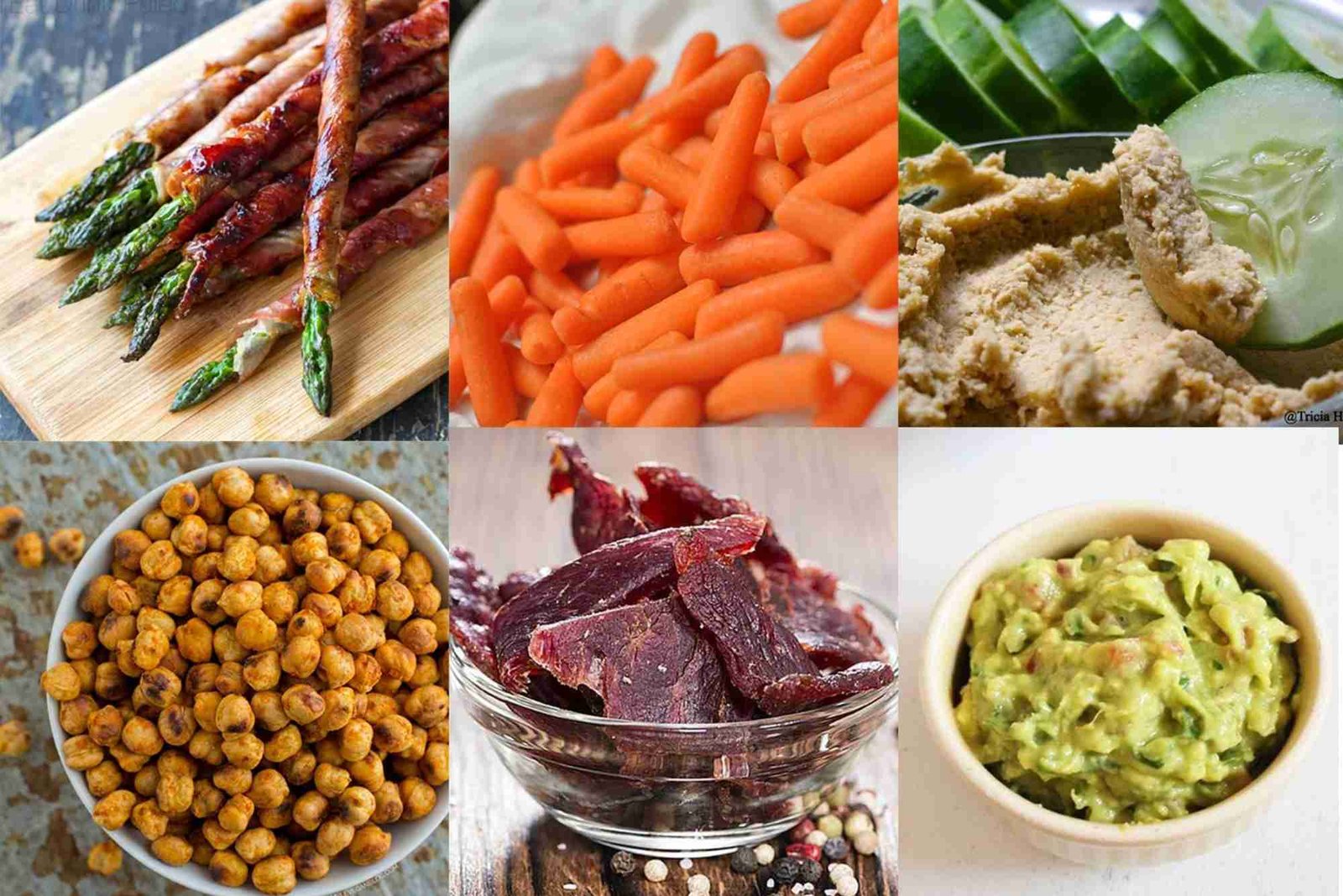
Best Snacks for Weight Loss and Healthy Living Choosing snacks wisely can support weight loss and overall health. Opt for nutrient-dense options like fresh fruits, nuts, yogurt, and vegetables with hummus. These foods keep you full longer, stabilize blood sugar, and provide essential vitamins and minerals, making healthy snacking both satisfying and beneficial.
Enhancing Flavors Without Extra Calories
Healthy lunches don’t need to be bland. Using fresh herbs, spices, citrus, or vinegar adds depth without excess calories. For instance, cilantro, basil, and parsley brighten up salads, while paprika, cumin, and chili flakes add warmth to roasted vegetables or grain bowls. Even a squeeze of lemon or lime over proteins can dramatically enhance taste. Experimenting with flavor combinations keeps lunches exciting, encouraging consistent healthy eating rather than relying on the same repetitive meals.
Eating well at work is achievable with a bit of preparation and creativity. By choosing nutrient-dense ingredients, balancing macronutrients, and exploring versatile options like salads, wraps, grain bowls, and soups, you can enjoy flavorful and energizing meals every day. The key is planning, storing wisely, and experimenting with flavors to prevent monotony. Start with small changes, like prepping one meal per week, and gradually build a routine that supports your health and productivity.
FAQ
What are easy healthy lunches to take to work?
Easy options include grain bowls, wraps with lean protein, hearty salads, and homemade soups. Preparing ingredients in bulk makes assembly quick.
How can I keep my lunch fresh until lunchtime?
Use airtight containers and keep dressings or sauces separate. Refrigerate meals until eating, or invest in insulated lunch bags.
What should a balanced work lunch include?
A balanced lunch combines lean protein, complex carbohydrates, vegetables, and healthy fats to maintain energy and focus throughout the day.
Can I meal prep lunches for the whole week?
Yes, batch cooking proteins, grains, and roasted vegetables allows you to mix and match meals, saving time and ensuring variety.
How do I avoid boring lunches at work?
Rotate ingredients, use fresh herbs and spices, and try different sauces or dressings to keep flavors exciting without adding unhealthy components.
Looking for the latest insights in biotechnology and life sciences? Explore a wealth of information, articles, and resources at clebsbio.com to stay updated and inspired in the world of bio-research.