Introduction
Cooking pasta might seem simple, but achieving the perfect texture every time can challenge even seasoned cooks. Whether you prefer spaghetti, penne, or fettuccine, understanding the nuances of pasta preparation is key. From the right water ratio to precise cooking times, every step contributes to that ideal al dente bite. In this guide, we’ll explore the expert methods to ensure your pasta is always cooked to perfection.
Understanding Pasta Basics
Before diving into cooking techniques, it’s crucial to understand the fundamentals of pasta. Different types of pasta, such as long strands like spaghetti or short shapes like rigatoni, cook differently. Dried pasta requires a larger pot of boiling water, while fresh pasta cooks quickly and demands gentler handling. Paying attention to the ingredients and type of pasta sets the stage for perfect results.
The quality of pasta matters significantly. Premium brands made from 100% durum wheat semolina have a firmer texture and better flavor. Avoid overcooked pasta, which can become mushy and unappetizing. Additionally, always check the package for suggested cooking times, but remember that testing by taste is the most reliable method.
Choosing the Right Cooking Equipment
Selecting the right cookware can dramatically affect your pasta outcome. A wide, deep pot allows noodles to cook evenly without sticking together. Nonstick pots can interfere with the sauce adherence, so traditional stainless steel pots are preferable. A good lid is also helpful for bringing water to a rolling boil quickly.
Salt is a crucial ingredient that enhances pasta flavor. Adding it to boiling water ensures the noodles absorb seasoning uniformly. Experts recommend about one tablespoon of salt per four quarts of water, but feel free to adjust based on personal taste. Avoid adding oil to the water, as it can prevent sauces from clinging to the pasta later.
Mastering the Boiling Process
The boiling process is where many cooks make mistakes. Always use plenty of water to allow pasta to move freely, preventing clumping. Bring water to a vigorous boil before adding pasta. Stir gently but consistently during the first few minutes to avoid sticking.
Timing is essential. Cooking pasta slightly under the suggested time ensures it finishes cooking in the sauce, creating a perfectly al dente texture. For fresh pasta, reduce the cooking time by half, as it cooks much faster than dried varieties. Tasting noodles as they cook is the most reliable technique to achieve your desired texture.
Achieving the Perfect Al Dente
Al dente, meaning “to the tooth,” is the goal for perfectly cooked pasta. The noodles should be firm with a slight resistance when bitten, not soft or mushy. This texture not only tastes better but also absorbs sauces more effectively.
Once your pasta reaches al dente, immediately drain it. Reserve a small cup of the starchy pasta water; it can be used to adjust the sauce consistency and help it cling to the noodles. Avoid rinsing pasta unless specifically required by a recipe, as this removes the starch that helps sauce adherence.
Pairing Pasta With Sauce
Cooking perfect pasta is only part of the equation. Pairing it with the right sauce brings the dish together. Heavier sauces, like creamy Alfredo or Bolognese, work best with robust pasta shapes such as rigatoni or fettuccine. Lighter sauces, like aglio e olio or marinara, complement thinner noodles such as spaghetti or linguine.
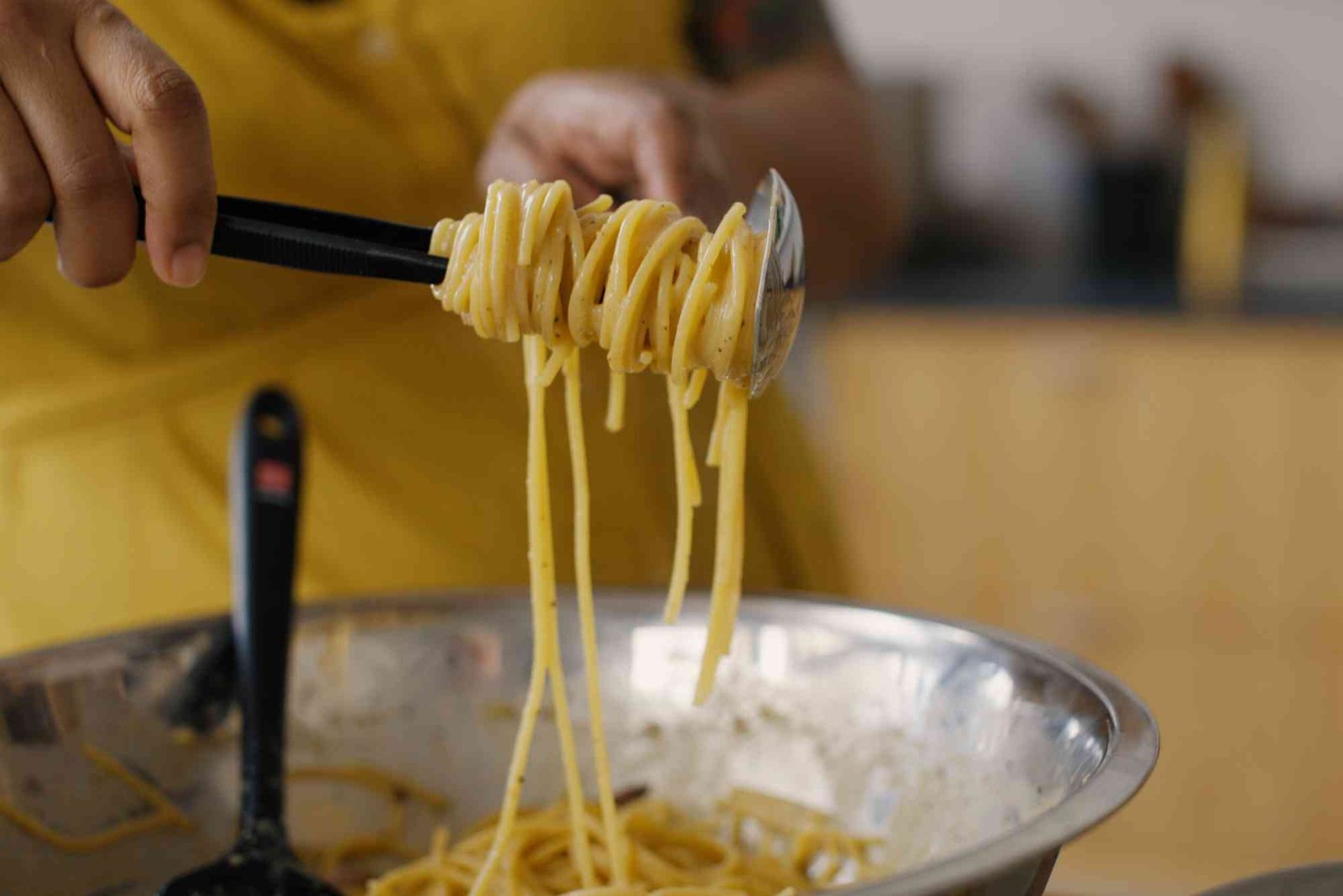
To enhance flavor, finish cooking the pasta in the sauce for a minute or two. This method, often called “marrying” the pasta with the sauce, allows the noodles to absorb flavors fully. Adding fresh herbs, grated cheese, or a splash of pasta water elevates the dish to a restaurant-quality level.
Common Mistakes to Avoid
Even experienced cooks can make mistakes that compromise pasta perfection. Overcrowding the pot is a frequent error, causing uneven cooking. Skipping the salt or relying solely on sauce seasoning results in bland noodles. Overcooking or neglecting to test for al dente texture is another common issue.
Additionally, avoid adding oil to boiling water, as it prevents sauces from sticking. When draining pasta, resist the urge to rinse unless making cold pasta salads. Each step, from boiling to sauce integration, impacts the final taste and texture, so careful attention to detail is essential.
Enhancing Flavor With Simple Techniques
Simple techniques can elevate your pasta dishes. Toasting dried pasta briefly in a pan before boiling adds subtle nuttiness. Infusing cooking water with aromatics, like garlic or bay leaves, enhances flavor. Using fresh ingredients for sauces, such as ripe tomatoes or high-quality olive oil, dramatically improves the final result.
Experimenting with different finishing touches, such as a drizzle of truffle oil, a squeeze of lemon, or freshly cracked black pepper, can transform a basic pasta dish into something extraordinary. Even small adjustments make a noticeable difference in flavor and presentation.
Cooking Pasta for Special Diets
For those with dietary restrictions, there are plenty of pasta alternatives that cook beautifully. Whole wheat, gluten-free, and legume-based pastas require careful attention to water ratio and cooking time. Gluten-free pasta often benefits from extra stirring and precise timing to prevent clumping or mushiness.
Fresh alternatives, such as zucchini noodles or spaghetti squash, offer lighter options. While these options cook faster than traditional pasta, seasoning them properly ensures they remain flavorful and satisfying. These choices allow everyone to enjoy perfectly cooked pasta without compromising dietary needs.
Storing and Reheating Pasta
Leftover pasta can be stored and reheated successfully if done correctly. Always cool pasta before refrigerating to prevent clumping. Reheat gently in a pan with a splash of sauce or water to maintain texture. Microwaving works but may make noodles slightly softer, so stirring occasionally helps preserve consistency.
For long-term storage, freezing cooked pasta is possible, especially when combined with sauce. Portioning pasta into airtight containers prevents freezer burn. When ready to serve, reheat slowly on the stove to maintain flavor and texture. Proper handling ensures your pasta tastes fresh even days later.
Discover a wealth of insightful content and resources at clebsbio.com. Whether you’re looking for the latest updates, expert tips, or in-depth articles, clebsbio.com is your go-to destination for reliable information and engaging content.
Master Pasta Every Time
Perfect pasta requires attention, technique, and quality ingredients. By understanding pasta types, mastering boiling, achieving al dente texture, and pairing with the right sauce, you can elevate everyday meals into restaurant-quality dishes. Cooking pasta is both an art and a science, and with practice, it becomes second nature.
Start today by applying these expert tips and transform your pasta nights into unforgettable meals. Whether for family dinners or entertaining friends, perfect pasta is achievable every time. Don’t hesitate to experiment with flavors, sauces, and ingredients to discover your signature dish.
Top Breakfast Ideas for a Healthy Start – Kickstart your day with nutritious breakfasts that fuel your body and mind. Opt for oatmeal topped with fruits and nuts, Greek yogurt with berries, or whole-grain toast with avocado. Smoothies packed with greens and protein also energize you. A balanced breakfast boosts metabolism, focus, and overall well-being.
FAQs
How long should I cook pasta to achieve al dente?
Al dente pasta typically cooks one to two minutes less than the package instructions. Taste testing is the best method to ensure the perfect texture.
Should I add oil to pasta water?
No. Oil prevents sauces from sticking to the noodles, making them slippery and less flavorful.
Can I make pasta ahead of time?
Yes. Cooked pasta can be refrigerated for up to three days. Add sauce or a bit of water when reheating to maintain texture.
What is the best way to prevent pasta from sticking?
Use plenty of water, stir occasionally during cooking, and avoid overcrowding the pot.
How can I enhance pasta flavor while cooking?
Add salt to boiling water, use high-quality ingredients, and finish cooking pasta in the sauce to absorb flavors fully.