Traveling to the world’s most famous tourist spots can be an incredible experience, but timing is everything. Knowing the best times to travel to popular tourist spots can transform a hectic trip into a serene and unforgettable adventure. Whether you’re chasing pleasant weather, fewer crowds, or cultural festivities, planning your visit carefully can make all the difference. In this guide, we’ll explore optimal travel periods for famous destinations, ensuring you experience them at their very best.
Understanding Peak and Off-Peak Travel Seasons
Timing your travels often comes down to understanding peak and off-peak seasons. Peak seasons usually correspond with school vacations, national holidays, and summer months when destinations are crowded. Visiting during these periods offers vibrant atmospheres and full access to attractions, but it can be expensive and busy. On the other hand, off-peak travel offers a quieter, more relaxed experience, often with lower accommodation prices. Many travelers overlook shoulder seasons, the transitional periods between peak and off-peak, which frequently provide the best of both worlds.
Weather Considerations
Weather is a crucial factor when deciding the best times to travel to popular tourist spots. For example, coastal destinations like the Amalfi Coast in Italy are incredibly busy during summer, but visiting in late spring or early autumn offers warm weather and manageable crowds. Mountainous regions, such as the Swiss Alps, may be most appealing in winter for skiing or summer for hiking, so aligning your visit with your preferred activities is essential. Being aware of climate patterns ensures you enjoy your trip fully without being disrupted by extreme conditions.
Crowd Management
Crowds can significantly affect your travel experience. Popular destinations like Paris or New York City attract millions of visitors, and navigating attractions can become stressful during peak periods. Traveling during off-peak months allows for a calmer visit, shorter queues, and better opportunities to engage with the local culture. Some spots even provide early-morning or late-evening access that makes the experience more personal. Planning around crowd levels is not just about comfort—it’s also about capturing the perfect travel photos and creating memories without the hassle of congestion.
Seasonal Highlights of Top Tourist Spots
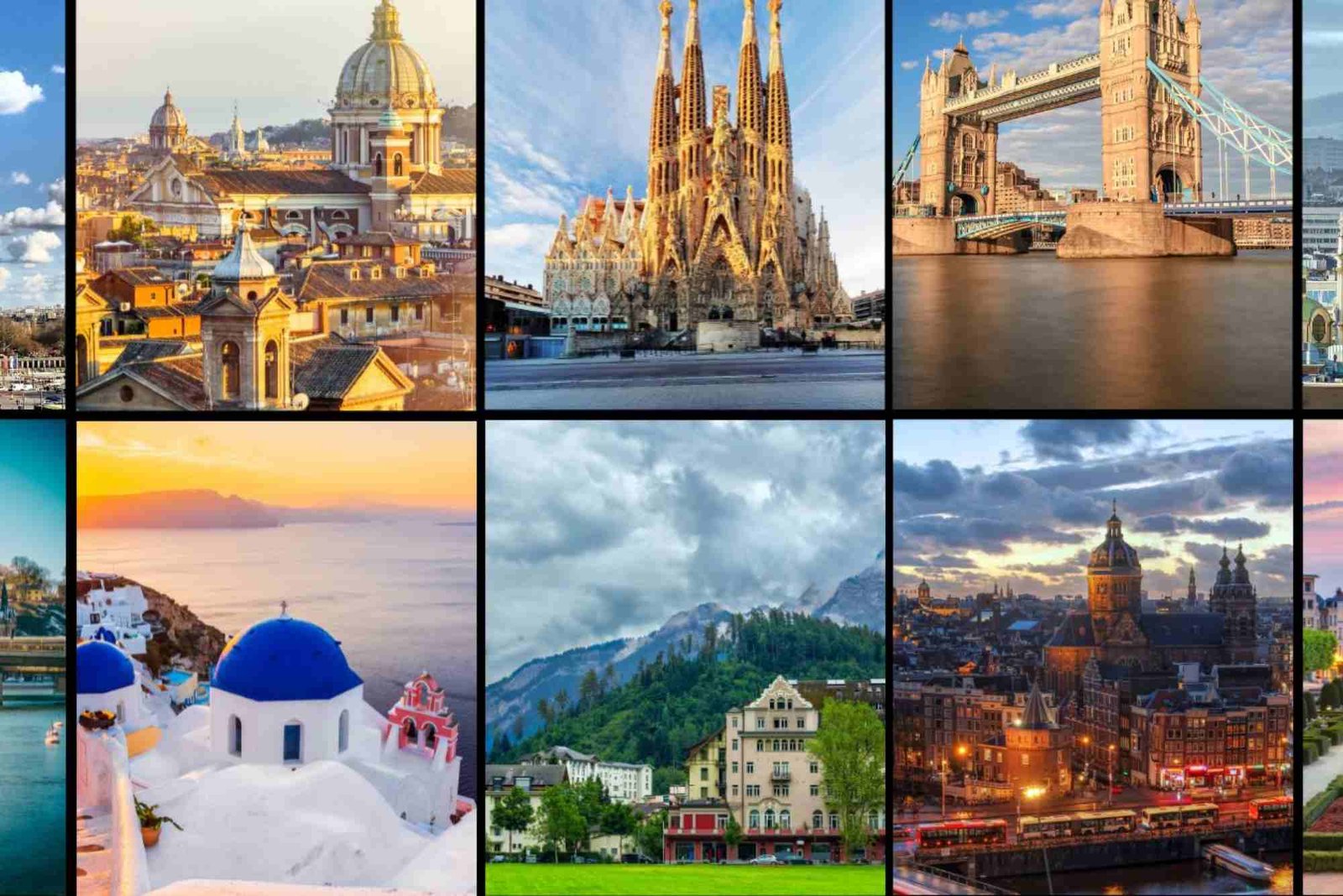
Different destinations shine during specific seasons. For instance, Japan’s cherry blossom season in spring is a spectacular time to witness cultural festivals, while fall foliage offers equally breathtaking views. In Europe, cities like Barcelona or Rome are lively in summer, but late spring and early autumn provide better weather and fewer tourists. North American destinations like Yellowstone or the Grand Canyon have distinct seasonal attractions, from wildflower blooms to wildlife sightings. Understanding these unique characteristics helps you plan trips that align with both your interests and the natural rhythm of the destination.
Cultural Events and Festivals
Cultural events can define the best times to visit a place. Attending a local festival enhances your travel experience, offering immersive exposure to traditions, cuisine, and music. For example, visiting India during Diwali provides an unforgettable display of lights and celebrations, whereas traveling to Brazil for Carnival gives a glimpse into vibrant local culture. Festivals often dictate the rhythm of tourist spots, making it worthwhile to align your itinerary with these events for a richer experience.
Budget-Friendly Travel
The timing of your visit can greatly affect travel costs. Peak travel seasons often come with inflated prices for flights, hotels, and attractions. Visiting during shoulder or off-peak periods not only reduces expenses but can also offer exclusive deals and discounts. Strategic planning allows you to experience the same destinations without compromising comfort or adventure. Budget-conscious travelers can maximize their experiences by combining affordable travel periods with local activities that provide authentic engagement.
Travel Tips for Optimal Experiences
Beyond choosing the right season, there are practical tips to enhance your trip. Booking accommodations and attractions in advance guarantees smoother travel, especially in high-demand locations. Flexible itineraries allow you to adapt to changing weather or unexpected closures. Additionally, researching local customs and peak hours for major attractions ensures you avoid unnecessary stress. Combining careful planning with spontaneous exploration creates a balanced travel experience that is both exciting and manageable.
Nature-Based Attractions
If your destination involves natural landscapes, timing is even more critical. National parks, beaches, and mountains have optimal periods depending on weather and wildlife activity. For example, visiting Alaska in summer maximizes daylight hours and wildlife sightings, whereas a winter visit is ideal for viewing the Northern Lights. Similarly, tropical regions are often best avoided during monsoon seasons. Planning around these natural patterns allows you to experience outdoor wonders at their most impressive.
Urban Tourism
Cities are dynamic, and their appeal often changes with seasons. Summer in European cities brings long evenings and open-air dining, while winter offers festive markets and fewer tourists. Major cities in the U.S. and Asia often experience surges during holiday periods, so timing your visit to avoid overcrowding improves both comfort and safety. Exploring urban attractions during quieter periods gives you a chance to truly engage with museums, galleries, and historic neighborhoods without the stress of large crowds.
Selecting the best times to travel to popular tourist spots is about more than convenience—it enhances every aspect of your trip. By considering peak seasons, weather, cultural events, and crowd dynamics, you can ensure that your travel experiences are memorable and stress-free. Proper planning also allows you to enjoy more authentic local interactions and make the most of your budget. Start mapping your travels today and discover how timing can turn ordinary trips into extraordinary adventures.
FAQ
When is the best time to visit Europe?
Late spring and early autumn are ideal for Europe. Weather is pleasant, and tourist crowds are smaller compared to summer.
What is the best season for tropical destinations?
Avoid the rainy or hurricane season. Late winter to early summer usually offers the most comfortable conditions.
Are shoulder seasons worth traveling?
Absolutely. Shoulder seasons provide moderate weather, fewer crowds, and often lower prices, making them perfect for budget-conscious travelers.
How can I avoid tourist crowds in popular cities?
Visit major attractions early in the morning, late in the evening, or during off-peak months to enjoy a calmer experience.
Does traveling off-peak affect local experiences?
Not necessarily. Off-peak travel can offer more authentic interactions as local communities are less overwhelmed by tourists.