
In today’s fast-paced digital world, building a strong IT infrastructure is no longer optional—it’s essential for business success. A robust IT framework ensures seamless operations, improves security, and provides the flexibility to adapt to technological changes. Organizations that invest in a well-designed IT infrastructure can experience enhanced performance, lower downtime, and greater scalability. Whether you’re managing a small business or a growing enterprise, understanding how to build a strong IT infrastructure is crucial for long-term stability and growth.
Understanding IT Infrastructure
IT infrastructure encompasses the hardware, software, network resources, and services that support the flow, storage, and processing of information in an organization. It forms the backbone of every business, connecting employees, customers, and systems efficiently. Without a strong IT foundation, companies can face security breaches, system failures, and operational inefficiencies. By focusing on building a resilient infrastructure, organizations can ensure consistent performance and support future growth initiatives.
The Importance of a Solid Foundation
A strong IT infrastructure begins with a solid foundation. This involves evaluating your current technology landscape, understanding the business requirements, and identifying gaps in hardware, software, and network resources. Proper planning at this stage prevents costly mistakes and ensures your IT systems can handle both current and future demands. By investing in scalable solutions and reliable hardware, businesses can avoid disruptions and maintain operational continuity even during periods of growth or change.
Aligning IT Strategy with Business Goals
Building a strong IT infrastructure requires alignment with business objectives. IT decisions should not exist in isolation—they must support broader goals such as productivity, cost-efficiency, and customer satisfaction. For example, deploying cloud-based solutions can enhance collaboration, while investing in cybersecurity measures protects sensitive data. By linking IT infrastructure planning with strategic priorities, businesses can create a framework that drives both operational efficiency and competitive advantage.
Core Components of IT Infrastructure
A comprehensive IT infrastructure integrates several key components that work together seamlessly. These include servers, networking equipment, storage solutions, cybersecurity measures, and management tools. Each component must be chosen carefully to meet the specific needs of the organization.
Hardware and Servers
Reliable hardware forms the backbone of IT infrastructure. Servers, workstations, and networking devices must be selected based on performance, scalability, and reliability. Investing in high-quality hardware ensures minimal downtime and reduces maintenance costs over time. Proper configuration, regular updates, and redundancy measures can further enhance the resilience of your IT systems.
Networking and Connectivity
Effective networking ensures smooth communication across all devices and locations. A robust network infrastructure enables fast data transfer, secure connections, and support for remote work. Incorporating redundancy, high-speed connections, and network monitoring tools can prevent bottlenecks and maintain uninterrupted operations. A reliable network also strengthens collaboration among teams, improving overall productivity.
Cloud Integration and Virtualization
Cloud computing and virtualization have become essential for modern IT infrastructures. Cloud services offer scalability, cost efficiency, and remote accessibility, while virtualization allows multiple operating systems and applications to run on a single physical server. By integrating these technologies, businesses can reduce hardware dependency, streamline IT management, and enhance disaster recovery capabilities.
Security Measures
Cybersecurity is a critical aspect of any IT infrastructure. Protecting sensitive data, systems, and networks from breaches requires a multi-layered approach. Firewalls, antivirus software, encryption, and regular security audits help safeguard against threats. Employee training on best practices and incident response plans further strengthens the organization’s defense against cyberattacks.
IT Management and Monitoring
Ongoing management and monitoring are crucial for maintaining a strong IT infrastructure. Implementing tools that track system performance, detect anomalies, and provide real-time alerts can prevent issues before they escalate. Routine maintenance, updates, and performance optimization ensure the IT environment remains stable and efficient. By proactively managing infrastructure, businesses can reduce downtime and improve overall reliability.
Planning for Scalability and Future Growth
A key principle in building IT infrastructure is planning for scalability. As businesses expand, their IT needs evolve. Designing infrastructure that can accommodate growth without requiring complete overhauls saves time and resources. Scalability includes flexible storage, adaptable networking solutions, and modular hardware that can be upgraded as demand increases. Forward-thinking organizations also evaluate emerging technologies to stay competitive and maintain long-term efficiency.
Disaster Recovery and Business Continuity
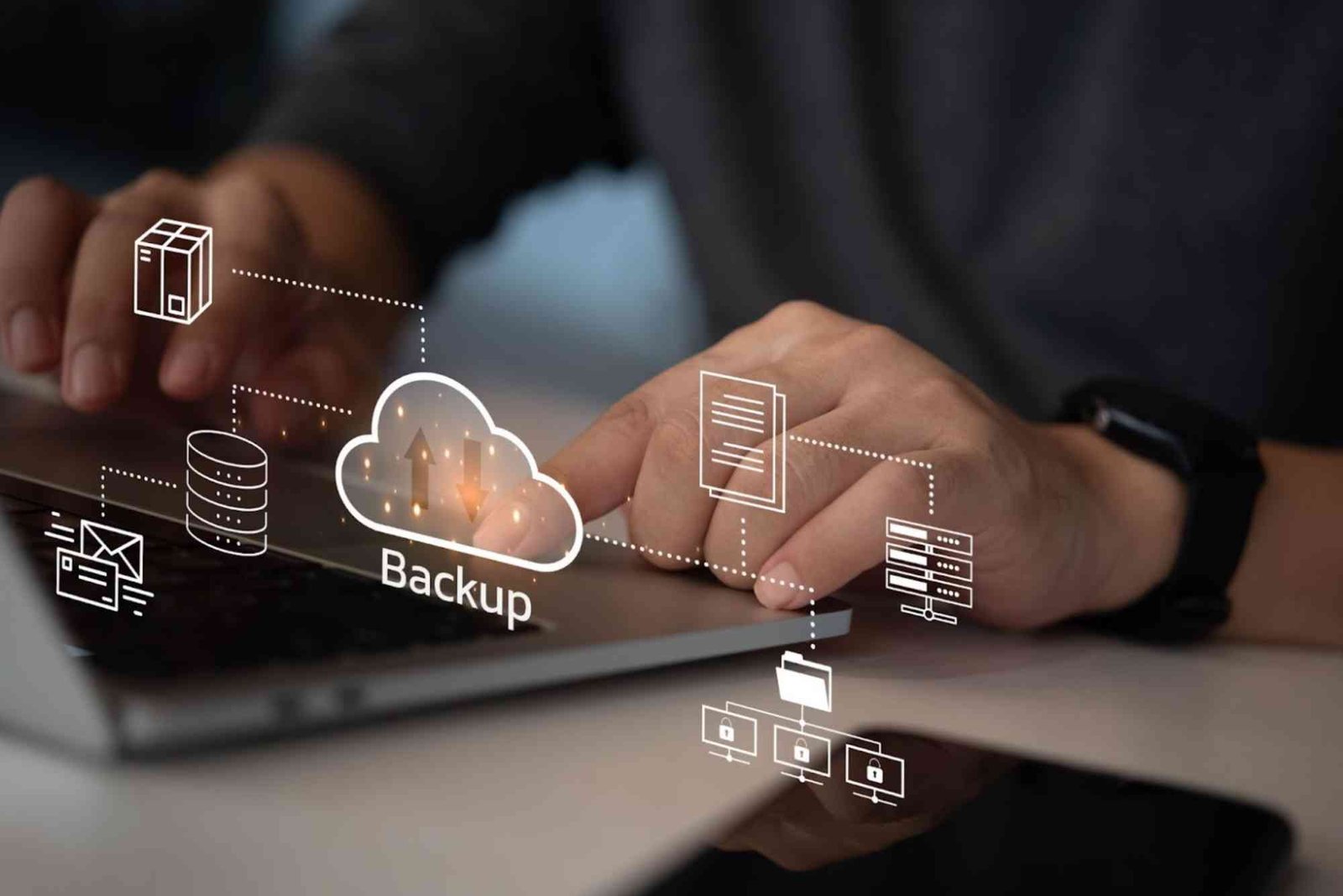
No IT infrastructure is complete without a disaster recovery plan. Preparing for unexpected events such as hardware failures, natural disasters, or cyberattacks ensures minimal disruption. Backup solutions, redundant systems, and comprehensive recovery strategies help businesses maintain operations during crises. A well-documented plan also instills confidence among stakeholders and reinforces trust in the organization’s reliability.
Enhancing Collaboration and Productivity
Strong IT infrastructure enables effective collaboration across teams. Cloud-based platforms, communication tools, and shared databases allow employees to work efficiently regardless of location. Streamlined processes and integrated systems reduce delays and improve decision-making. By fostering a collaborative environment, organizations can maximize productivity and drive better business outcomes.
Investing in IT Expertise
While technology is vital, human expertise plays an equally important role. Hiring skilled IT professionals or partnering with managed service providers ensures proper implementation, management, and optimization of infrastructure. Experts can assess risks, recommend solutions, and provide ongoing support, reducing the likelihood of costly errors. Continuous training and knowledge updates help teams stay current with evolving technologies and best practices.
Measuring Infrastructure Performance
Monitoring and evaluating IT performance is essential for maintaining a strong infrastructure. Metrics such as uptime, network speed, system load, and user satisfaction provide insights into efficiency and potential issues. Regular reviews and audits allow organizations to make data-driven decisions and improve overall performance. Continuous improvement ensures that IT infrastructure evolves alongside business needs, maintaining its effectiveness over time.
Building a strong IT infrastructure is a strategic investment that supports operational efficiency, security, and long-term growth. By carefully planning, selecting appropriate technologies, and aligning IT strategy with business objectives, How to Build a Strong IT Infrastructure organizations can create a resilient and scalable IT environment. Prioritizing cybersecurity, disaster recovery, and ongoing management ensures consistent performance and reduces risk. Whether you are modernizing existing systems or starting from scratch, focusing on these core principles will help you achieve a robust IT infrastructure capable of driving business success.
FAQ
What is IT infrastructure, and why is it important?
IT infrastructure includes hardware, software, networks, and services that support business operations. It ensures efficiency, security, and scalability.
How do I plan for a scalable IT infrastructure?
Consider growth potential, modular hardware, cloud integration, and flexible networking. Planning ahead prevents costly overhauls.
What role does cybersecurity play in IT infrastructure?
Cybersecurity protects sensitive data and systems from breaches. A strong IT infrastructure includes multi-layered security measures and training.
How can cloud services improve IT infrastructure?
Cloud solutions offer flexibility, remote access, and cost efficiency. They also simplify backup and disaster recovery.
Why is IT management and monitoring necessary?
Ongoing management ensures systems run efficiently, detects issues early, and reduces downtime. Proactive monitoring maintains reliability.