 CLEBS
CLEBS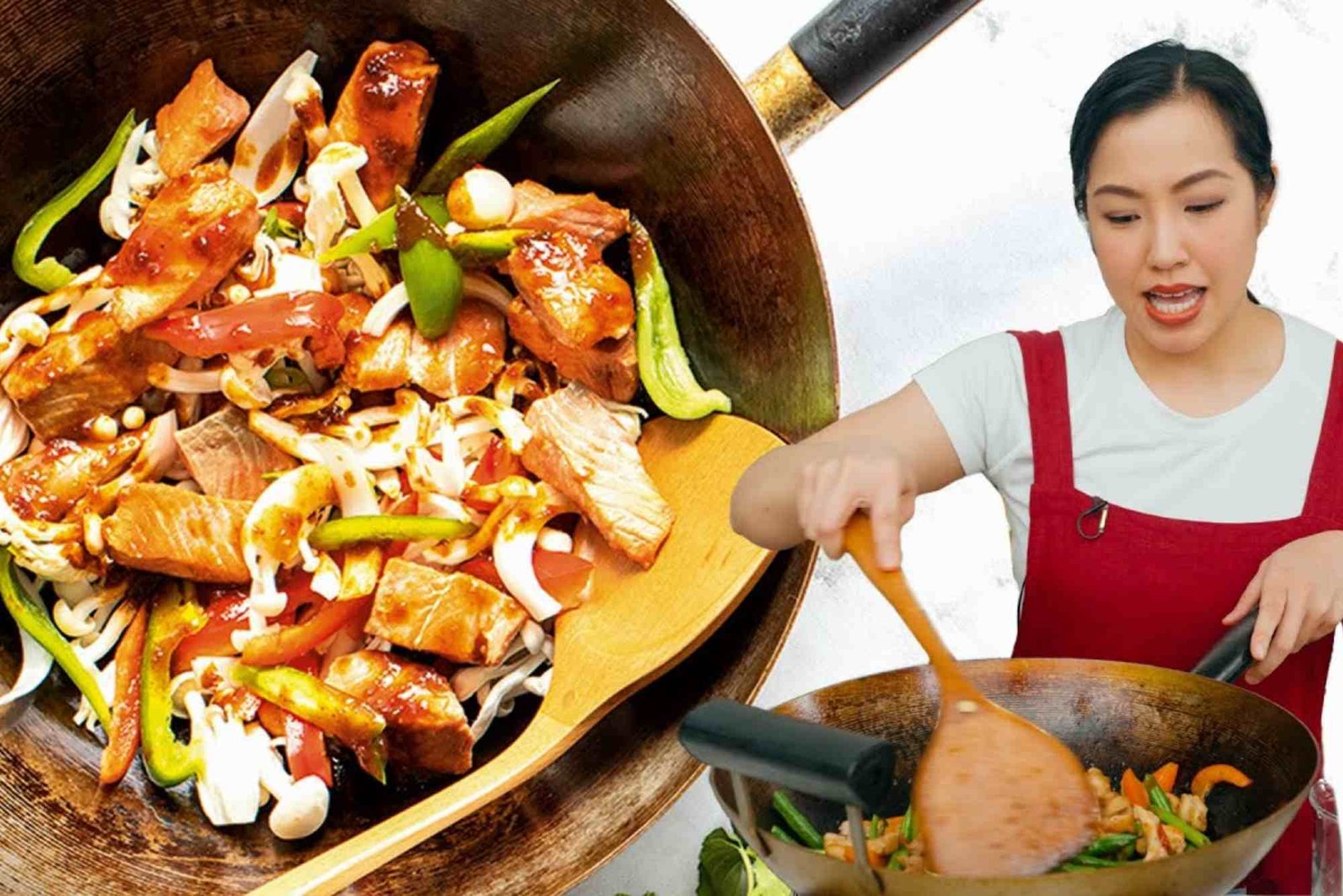
Introduction: How to Master Stir-Fry Cooking for Everyday Success
Learning how to master stir-fry cooking is one of the most valuable skills you can develop in the kitchen. Stir-frying is fast, healthy, and incredibly versatile, making it perfect for busy lifestyles. It allows you to prepare delicious meals in minutes while preserving nutrients and enhancing natural flavors.
Many beginners struggle with common problems such as soggy vegetables, dry meat, or bland taste. However, these issues usually come from a lack of understanding of heat control, preparation, and timing. Once you learn the correct method, stir-frying becomes simple and enjoyable.
In this complete guide, you will discover everything you need to know about how to master stir-fry cooking, including tools, techniques, sauces, and expert tips that professional chefs use every day.
Understanding the Basics of Stir-Fry Cooking
Stir-fry cooking is a high-heat, quick-cooking method that originated in China and has now become popular worldwide. The idea is simple: cook ingredients quickly in a hot pan while continuously stirring them to preserve texture and flavor.
When you begin learning how to master stir-fry cooking, you must understand that speed and heat are the foundation. Unlike slow cooking methods, stir-frying depends on fast movement and precise timing. Every second matters.
This cooking method is also one of the healthiest because it uses less oil and keeps vegetables crisp and full of nutrients. According to Harvard Health, quick cooking techniques help retain more vitamins in vegetables compared to boiling or overcooking.

Essential Tools for Mastering Stir-Fry Cooking
To truly understand how to master stir-fry cooking, you need the right tools. The most important tool is a wok, which is designed to distribute heat evenly and allow easy tossing of ingredients. Its curved shape makes it ideal for high-heat cooking.
If you do not have a wok, a large heavy skillet can also work, but it requires more attention to heat control. A strong heat source is equally important. Gas stoves are preferred because they provide instant high heat, which is essential for stir-frying.
A good spatula or wooden spoon is also necessary for continuous stirring. Having everything ready before you start cooking ensures smooth execution.
Ingredient Preparation: The Secret to Perfect Stir-Fry
Preparation is the most important step in learning how to master stir-fry cooking. In professional kitchens, chefs use the concept of “mise en place,” which means everything is prepared before cooking begins.
Vegetables should be washed and cut into even sizes so they cook uniformly. Proteins like chicken, beef, or tofu should be sliced thinly to ensure quick cooking. Sauces should also be mixed in advance so you can add them instantly when needed.
Stir-frying happens very quickly, so if you start chopping during cooking, you risk burning ingredients or ruining texture. Proper preparation ensures control and consistency.
The Core Technique Behind Stir-Fry Cooking
The key to understanding how to master stir-fry cooking lies in heat control and timing. First, you must preheat your pan until it is very hot. A properly heated pan ensures that ingredients sear rather than steam.
Next, add oil with a high smoke point such as peanut or canola oil. Once the oil is hot, add ingredients in the correct order. Proteins usually go first, followed by harder vegetables like carrots, and finally soft vegetables like spinach or bean sprouts.
Constant stirring is important to prevent burning and ensure even cooking. However, overcrowding the pan should be avoided because it lowers the heat and creates excess moisture.
Building Flavor with Stir-Fry Sauces
Flavor is what makes stir-fry dishes exciting. When learning how to master stir-fry cooking, understanding sauce balance is essential. A good stir-fry sauce usually combines salty, sweet, sour, and umami elements.
Soy sauce adds saltiness, sugar or honey adds sweetness, vinegar provides acidity, and garlic or ginger enhances aroma and depth. When combined correctly, these flavors create a rich and balanced dish.
Timing is also important. Sauces should always be added at the end of cooking so they coat the ingredients without burning or becoming too thick.
Advanced Techniques to Master Stir-Fry Cooking
Once you understand the basics, you can improve your skills with advanced techniques. One popular method is “velveting,” where meat is marinated in cornstarch and egg white before cooking. This creates a soft, silky texture commonly found in restaurant dishes.
Another important skill is managing smoke and aroma. Because stir-frying uses high heat, oil choice matters. Oils with high smoke points prevent burning and keep flavors clean.
You should also learn how to layer aromatics properly. Ingredients like garlic, ginger, and onions should be added early but carefully to avoid burning, as they form the flavor base of your dish.
Common Mistakes When Learning Stir-Fry Cooking
Many beginners fail when trying to master stir-fry cooking because of simple mistakes. One of the most common is using low heat. Stir-frying requires high heat; otherwise, ingredients steam instead of fry.
Another mistake is overcrowding the pan. When too many ingredients are added at once, heat drops and food becomes soggy. Cooking in smaller batches solves this issue.
Overusing sauce is also a common problem. Too much sauce can overpower the dish and ruin texture. Balance is always key.
Health Benefits of Stir-Fry Cooking
Stir-fry cooking is not only delicious but also very healthy. Because cooking time is short, vegetables retain more vitamins and minerals. This makes stir-fry meals more nutritious than many other cooking methods.
It also requires less oil, which reduces calorie intake. This makes it a great option for people who want to eat healthier without sacrificing taste.
Additionally, stir-frying allows you to combine proteins, vegetables, and grains in one pan, creating balanced meals easily.
How to Improve Your Stir-Fry Skills Over Time
Improvement comes with practice. Start with simple recipes such as chicken and vegetables before moving on to more complex dishes. As you become more comfortable, you can experiment with different sauces and ingredients.
Pay attention to timing and heat control every time you cook. These two factors determine the success of your dish. Over time, you will develop instinct and confidence in the kitchen.
Trying different cuisines like Chinese, Thai, or Japanese stir-fry dishes also helps expand your understanding of flavors and techniques.
Internal Learning Resources for Better Cooking Skills
To further improve your cooking knowledge, you can explore additional guides such as healthy cooking fundamentals, which help you build a strong foundation in meal preparation.
You may also explore meal planning strategies to better organize your weekly diet and improve consistency in healthy eating.
For advanced skills, learning professional cooking techniques can help you refine your kitchen expertise and elevate your dishes to restaurant quality.
External Resources for Culinary Learning
You can also explore trusted culinary platforms such as Bon Appétit, Serious Eats, and Food Network. These websites provide expert recipes, cooking science insights, and professional tips that can support your journey in mastering stir-fry cooking.
How to Make Creamy Soups Without Heavy Cream Use ingredients like potatoes, cauliflower, or white beans to create natural creaminess. Blending cooked vegetables with broth gives a smooth texture without dairy. You can also add coconut milk, cashew paste, or yogurt for richness. A simple roux of flour and oil helps thicken soups while keeping them silky and comforting. Season herbs and blend smoothly.
Frequently Asked Questions (FAQ)
What is the secret to mastering stir-fry cooking?
The secret lies in high heat, proper preparation, and timing. Once you control these three elements, you can master stir-fry cooking effectively.
What oil is best for stir-frying?
Oils with high smoke points such as peanut oil, canola oil, or sunflower oil work best because they withstand high heat without burning.
Why does my stir-fry turn soggy?
Sogginess usually happens when the pan is overcrowded or heat is too low. Cooking in batches and using high heat prevents this issue.
Can beginners master stir-fry cooking easily?
Yes, beginners can master stir-fry cooking with practice. Start simple, focus on heat control, and gradually experiment with sauces and ingredients.
Is stir-frying healthy?
Yes, stir-frying is one of the healthiest cooking methods because it preserves nutrients and uses less oil compared to other techniques.
Start Your Journey to Master Stir-Fry Cooking Today
Mastering how to master stir-fry cooking is a rewarding journey that improves both your cooking skills and your lifestyle. It is fast, flexible, and perfect for creating healthy meals with bold flavors.
At our platform, we’re committed to providing valuable and insightful content across a wide range of topics. If you’re looking for more in-depth information and helpful resources, be sure to clebsbio.com, where you’ll find a variety of articles and updates designed to keep you informed and inspired.
Written by Clebsbio Editorial Team
Our specialized team of journalists and financial analysts cover technology, business, real estate, and economic developments across the United Arab Emirates and broader GCC region.