 CLEBS
CLEBS
Introduction
Learning to drive is an exciting milestone. However, becoming a responsible driver involves more than knowing how to operate a vehicle. New drivers also need to understand basic car care and maintenance. Following the Best Automobile Care Tips for New Drivers can help prevent expensive repairs and keep a vehicle reliable.
A well-maintained automobile is safer and more comfortable to drive. Simple habits can also improve fuel efficiency and extend the life of important components. Therefore, new drivers should develop good maintenance routines from the beginning.
You do not need to become a professional mechanic. Instead, learn how your vehicle works, recognize warning signs, and follow the manufacturer’s maintenance recommendations. These habits can make everyday driving easier and more predictable.
Learn Your Vehicle Before Driving Regularly
One of the first automobile care tips for new drivers is learning about the vehicle itself. Every car has different maintenance requirements, dashboard symbols, fluid types, and recommended service intervals.
Read the owner’s manual carefully. Pay attention to information about oil changes, tire pressure, recommended fuel, service schedules, and warning lights.
You should also learn where essential components are located. These include the engine oil dipstick, windshield washer reservoir, coolant reservoir, battery, spare tire, and jack.

Understanding these basics gives you greater confidence. It also helps you communicate clearly with a mechanic when your vehicle develops a problem.
Check Tire Pressure Regularly
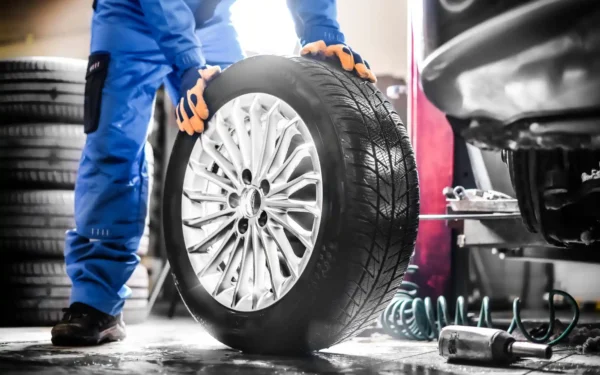
Tires directly affect vehicle safety, handling, braking, and fuel consumption. Incorrect tire pressure can cause uneven wear and reduce driving stability.
Check your tire pressure regularly, especially before long journeys. The recommended pressure is usually shown on a sticker inside the driver’s door or in the owner’s manual.
Do not rely only on visual inspection. A tire can appear properly inflated while having incorrect pressure.
Also inspect the tread for unusual wear, cracks, cuts, or embedded objects. If you notice repeated pressure loss, have the tire checked by a qualified professional.
Pay Attention to Engine Oil
Engine oil lubricates moving components and helps control friction and heat. Low or degraded oil can contribute to serious engine problems.
New drivers should learn how to check the oil level when the vehicle is parked safely. Follow the manufacturer’s instructions because checking procedures can vary between vehicles.
Use the oil grade recommended by the manufacturer. Adding the wrong type may affect engine performance or protection.
Never ignore an oil warning light. If it appears while driving, stop safely and investigate the problem as soon as possible.
Keep an Eye on Warning Lights
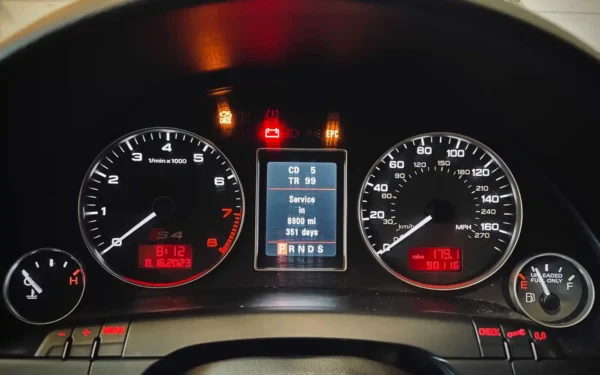
Modern vehicles use dashboard warning lights to communicate potential problems. Learning what these symbols mean is one of the most important automobile care habits for new drivers.
Some warnings require immediate attention. Others may indicate that service is needed soon.
A red warning light generally deserves urgent attention. However, the exact meaning depends on the symbol and vehicle.
Never cover, reset, or ignore a warning simply because the vehicle still seems to drive normally. Small problems can become expensive repairs when neglected.
Follow the Recommended Maintenance Schedule
Every vehicle has a maintenance schedule designed around its engine, transmission, mileage, and operating conditions. Following this schedule is among the Best Automobile Care Tips for New Drivers.
Routine maintenance may include oil changes, filter replacement, brake inspections, fluid checks, tire inspections, and other services.
Do not wait until your car develops a serious problem. Preventive maintenance is usually easier and less expensive than major repairs.
Keep records of completed services. A simple maintenance history can help you track upcoming work and support the vehicle’s resale value.
Take Care of the Brakes
Brakes are among the most important safety components in any automobile. New drivers should learn to recognize changes in braking performance.
Pay attention to unusual squealing, grinding, vibrations, or changes in pedal feel. These signs can indicate worn or damaged components.
If the vehicle takes longer to stop than usual, have the braking system inspected promptly. Avoid delaying brake repairs because they can directly affect road safety.
Also avoid aggressive driving and unnecessary hard braking. Smooth driving can reduce brake wear and provide a more comfortable ride.
Maintain the Cooling System
The engine produces considerable heat while operating. The cooling system helps keep temperatures within a safe range.
Check the coolant level according to the vehicle manufacturer’s instructions. Never open a hot cooling system because pressurized coolant can cause serious burns.
If you notice overheating, steam, coolant leaks, or a temperature warning, stop somewhere safe. Continuing to drive an overheating vehicle can cause severe engine damage.
Regular inspections can help identify leaks and other cooling-system problems before they become serious.
Replace Air and Cabin Filters When Needed
Air filters help prevent dirt and debris from entering the engine. A clogged filter can affect airflow and potentially influence engine performance.
The cabin air filter serves a different purpose. It helps clean the air entering the passenger compartment.
Replacement intervals vary by vehicle and driving conditions. Check your owner’s manual for appropriate recommendations.
Drivers who frequently travel through dusty areas may need more frequent inspections. Keeping filters clean can contribute to better vehicle operation and interior comfort.
Keep the Windshield and Lights Clean
Good visibility is essential for safe driving. Therefore, maintaining the windshield, mirrors, and exterior lights should become part of your regular routine.
Clean the windshield regularly, especially after driving through dusty or rainy conditions. Replace worn windshield wipers when they leave streaks or fail to clear water properly.
Check headlights, brake lights, indicators, and reverse lights periodically. Proper lighting improves your visibility and helps other road users understand your intentions.
These simple actions take very little time. However, they can make a significant difference during night driving or poor weather.
Use the Right Fuel and Fluids
Using the correct fuel is another important part of vehicle care. Follow the fuel specification provided by the manufacturer.
Similarly, different vehicles require specific coolant, brake fluid, transmission fluid, and engine oil. Never assume that every fluid works with every vehicle.
If you are uncertain, consult the owner’s manual or a qualified technician. Using an unsuitable fluid can potentially damage vehicle components.
Avoid unnecessary additives unless they are recommended by the manufacturer or a trusted automotive professional.
Drive Smoothly
Your driving style directly affects vehicle wear. Aggressive acceleration, sudden braking, and excessive speeding can increase stress on several components.
Smooth acceleration and gradual braking are generally better for the vehicle. They can also improve fuel economy and make driving more comfortable.
Avoid unnecessary engine revving. Also, do not overload your vehicle beyond its specified capacity.
Developing smooth driving habits is one of the easiest ways to support long-term automobile health.
Do Not Ignore Unusual Sounds or Smells
Vehicles often provide early warning signs before a major mechanical failure. Strange sounds, smells, vibrations, or fluid leaks should not be ignored.
A squealing noise could indicate a belt or brake-related issue. Grinding may point toward more serious mechanical problems.
Burning smells can also require immediate attention. Depending on the source, they could indicate overheating, electrical issues, leaking fluids, or other problems.
You do not need to diagnose everything yourself. Instead, notice changes and have unusual symptoms inspected promptly.
Keep the Battery in Good Condition
A weak battery can leave you stranded unexpectedly. New drivers should understand basic battery care and recognize signs of battery failure.
Slow engine cranking, dim lights, and repeated starting difficulties may indicate a battery or charging-system problem.
Keep battery terminals clean and check them periodically when appropriate. If the battery is several years old, ask a professional to test its condition.
Extreme temperatures can also affect battery performance. Regular testing can reduce the chance of unexpected starting problems.
Maintain Your Vehicle’s Interior and Exterior
Automobile care is not limited to mechanical components. Keeping the exterior and interior clean can protect the vehicle over time.
Wash dirt, dust, and road contaminants from the exterior regularly. Pay particular attention to areas where dirt can accumulate.
Inside the vehicle, remove unnecessary items and clean upholstery and dashboard surfaces. A clean interior also makes driving more pleasant.
Avoid leaving food, liquids, or rubbish inside the car for extended periods. Small spills can create unpleasant odors and damage interior materials.
Be Prepared for Minor Emergencies
New drivers should carry basic emergency supplies. These can be useful when dealing with unexpected situations.
A vehicle should have appropriate safety equipment, a spare tire or approved tire-repair solution, a jack when applicable, and basic emergency supplies.
It is also wise to keep important vehicle documents accessible. Make sure you understand how to safely change a tire before an emergency occurs.
If you experience a serious breakdown, move to a safe location when possible. Contact appropriate roadside assistance rather than attempting risky repairs beside traffic.
Choose a Reliable Mechanic
Finding a trustworthy mechanic is an important part of responsible automobile ownership. New drivers may feel uncertain when discussing repairs, especially during their first service visits.
Look for a qualified professional with experience working on your vehicle type. Ask for an explanation of the problem and request an estimate before approving significant repairs.
A reputable mechanic should communicate clearly. They should also explain which repairs are urgent and which can wait.
Keeping a relationship with a reliable service provider can make future maintenance much easier.
Protect Your Car From Preventable Damage
Small habits can protect your automobile from unnecessary wear. Avoid driving over potholes at high speed because impacts can damage tires, wheels, and suspension components.
Park carefully and avoid hitting curbs. When possible, choose secure parking areas that protect the vehicle from unnecessary risks.
Do not place excessive weight inside the car. Extra weight can affect fuel economy, handling, and component wear.
Also avoid using your vehicle for purposes beyond its design or capacity. Following manufacturer recommendations can prevent many avoidable problems.
Create a Simple Maintenance Routine
New drivers often forget maintenance because they have busy schedules. A simple routine can make vehicle care easier.
Check tire condition and dashboard warnings regularly. Monitor fluid levels when appropriate and schedule services according to the manufacturer’s recommendations.
Before a long journey, inspect tires, lights, fluids, and windshield visibility. This quick check can identify problems before you travel.
You can also use your phone calendar to remember service appointments. Consistency matters more than complicated maintenance routines.
The automotive industry is evolving rapidly in 2026, with electric vehicles, advanced safety systems, connected technology, and smarter driving solutions gaining popularity. Understanding the Top Automobile Trends in 2026 can help drivers and buyers make informed decisions while keeping up with the latest innovations shaping the future of transportation.
Frequently Asked Questions
How often should a new driver check their car?
New drivers should perform basic checks regularly. Tire pressure, warning lights, fluid levels, and visible damage deserve attention. Follow the manufacturer’s recommended maintenance schedule for professional inspections.
What is the most important car maintenance for beginners?
Safety-related maintenance should come first. Tires, brakes, lights, engine oil, and essential fluids are particularly important. Regular servicing also helps identify developing problems.
How can new drivers make their cars last longer?
Drive smoothly, follow the maintenance schedule, use recommended fluids, maintain proper tire pressure, and address warning signs promptly. Preventive care can significantly reduce unnecessary wear.
What should I check before a long road trip?
Check tire pressure, tire condition, engine oil, coolant, lights, windshield wipers, and fluid levels. Also make sure your emergency equipment is available and functional.
Is it necessary to service a car even when it works perfectly?
Yes. A vehicle can have developing problems without obvious symptoms. Scheduled maintenance helps inspect components and replace items before they cause major failures.
Conclusion
Learning the Best Automobile Care Tips for New Drivers can make vehicle ownership safer, easier, and more affordable. Good automobile care does not require advanced mechanical knowledge. It requires consistency, attention, and responsible driving habits.
Written by Clebsbio Editorial Team
Our specialized team of journalists and financial analysts cover technology, business, real estate, and economic developments across the United Arab Emirates and broader GCC region.