 CLEBS
CLEBS
Road safety depends on more than traffic laws and modern vehicle technology. It also depends on everyday habits behind the wheel. Small mistakes can quickly become serious risks when drivers ignore maintenance, distractions, speed limits, or changing road conditions. Therefore, developing the Best Automobile Habits for Better Road Safety can protect drivers, passengers, pedestrians, and other road users.
Safe driving begins before the vehicle moves. A responsible driver checks the automobile, stays focused, and adjusts driving behavior to match the environment. These simple practices can reduce accidents while also improving vehicle reliability and comfort.
Why Good Automobile Habits Matter for Road Safety
The Best Automobile Habits for Better Road Safety combine careful driving with regular vehicle care. A well-maintained automobile responds more predictably during braking, turning, and sudden stops. Likewise, an attentive driver can recognize hazards earlier and make safer decisions.
Road conditions can change within seconds. Traffic may become heavier, visibility may decrease, or another driver may make an unexpected move. Good habits help motorists stay prepared instead of reacting too late.
Vehicle maintenance also plays an important role. Worn tires, weak brakes, damaged lights, and poor visibility can increase accident risks. Regular attention helps identify these problems before they become dangerous.
Start Every Journey With a Vehicle Check
One of the most useful automobile habits is checking the vehicle before driving. This does not require a lengthy inspection every morning. A quick visual check can reveal problems that should not be ignored.

Look at the tires for obvious damage or unusual wear. Check whether the lights are working properly. Make sure mirrors and windows provide a clear view around the vehicle.
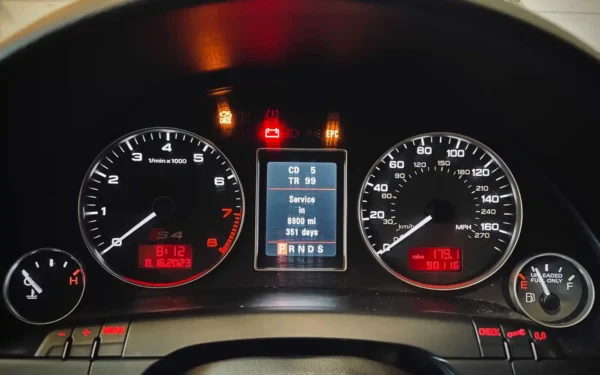
Drivers should also pay attention to warning lights on the dashboard. These indicators can provide early information about mechanical or electrical problems. Ignoring them may turn a minor issue into a costly repair.
Before longer journeys, check fluid levels and confirm that the vehicle has enough fuel. It is also wise to keep essential emergency equipment available.
Maintain Tires for Safer Driving
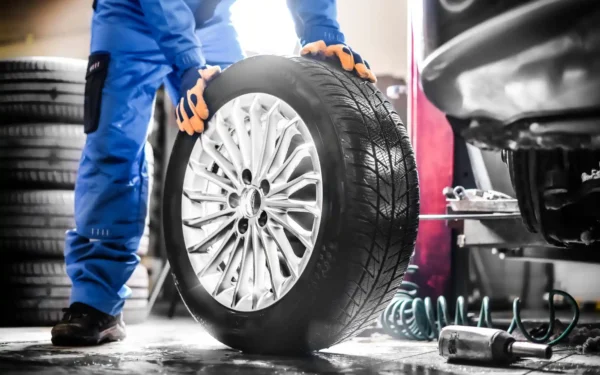
Tires are the automobile’s main connection with the road. Their condition directly affects steering, braking, stability, and traction. Therefore, tire care should remain a priority for every driver.
Check tire pressure regularly according to the vehicle manufacturer’s recommendations. Incorrect pressure can affect handling and increase tire wear. It can also reduce fuel efficiency.
Inspect the tread for uneven or excessive wear. Damaged tires should receive professional attention before the vehicle is used for long journeys. Drivers should also replace tires when they reach the manufacturer’s recommended limits.
Seasonal weather can make tire condition even more important. Wet roads, standing water, and poor surfaces require sufficient tread for reliable traction.
Use Seat Belts on Every Journey
Seat belts remain one of the simplest safety habits available to motorists. Every occupant should wear a properly positioned seat belt, regardless of journey length.
Some people skip seat belts because they are traveling only a short distance. However, crashes can happen close to home as easily as they can happen on highways.
Drivers should also ensure that children use appropriate restraints. Young passengers require properly fitted child seats or booster systems based on their size and applicable safety guidance.
A responsible driver should never begin moving until everyone is properly restrained.
Avoid Distracted Driving
Distraction is one of the most preventable driving risks. A driver’s attention can be divided by smartphones, food, passengers, navigation systems, or other activities.
Texting while driving is especially dangerous because it combines visual, manual, and mental distraction. Even a brief glance away from the road can prevent a driver from noticing sudden hazards.
The safest approach is to prepare before starting. Set navigation, adjust mirrors, choose music, and secure loose items before moving.
If something requires significant attention, pull over safely first. Reaching a destination a few minutes later is better than creating an avoidable risk.
Follow Speed Limits and Drive for Conditions
Following posted speed limits is an important part of the Best Automobile Habits for Better Road Safety. Speed affects how quickly a driver can react and how much distance a vehicle needs to stop.
However, safe driving is not always about following the maximum posted speed. Rain, fog, traffic, road damage, and poor visibility may require a lower speed.
Drivers should maintain a speed that allows them to remain in control. They should also avoid aggressive acceleration and sudden braking whenever possible.
A calm driving style provides more time to recognize hazards. It also makes the vehicle more predictable for surrounding motorists.
Keep a Safe Following Distance
Maintaining adequate space between vehicles gives drivers valuable reaction time. Following another automobile too closely can make even a normal traffic slowdown dangerous.
A driver should leave enough distance to brake safely if the vehicle ahead stops suddenly. Greater distance may be necessary during rain, fog, darkness, or heavy traffic.
Tailgating provides little practical benefit. Instead, it increases stress and reduces the time available to respond.
Keeping a reasonable gap also supports smoother traffic movement. Drivers can brake gradually instead of making sudden stops.
Check Mirrors and Blind Spots
Good road awareness requires more than looking straight ahead. Drivers should regularly check their mirrors and remain aware of vehicles approaching from different directions.
Blind spots deserve special attention when changing lanes. Mirrors cannot always show every vehicle beside or behind the automobile.
Before moving into another lane, check the mirrors and perform an appropriate blind-spot check. Signal the intended movement early when required.
Never assume another driver will react as expected. Defensive awareness helps reduce the consequences of unexpected movements.
Use Turn Signals Properly
Turn signals communicate intentions to other road users. They are especially important when changing lanes, turning, entering traffic, or leaving a parking area.
Using a signal at the correct time gives surrounding drivers an opportunity to respond. However, a signal should not replace checking mirrors and blind spots.
Drivers should also avoid activating indicators at the last possible moment. Early communication makes traffic movement more predictable and organized.
Consistent signaling is a simple habit that supports safer interactions on busy roads.
Maintain Brakes and Essential Safety Systems
Brakes are among the most important safety components in any automobile. Drivers should never ignore warning signs such as unusual noises, vibrations, reduced braking performance, or changes in pedal feel.
Brake components naturally wear over time. Regular inspections can identify worn parts before braking performance becomes seriously compromised.
Other systems also deserve attention. Steering, suspension, windshield wipers, headlights, and mirrors all contribute to safe vehicle operation.
When a safety-related problem appears, professional inspection is often the safest choice. Delaying necessary repairs can increase both safety risks and repair costs.
Keep Windows, Mirrors, and Lights Clean
Visibility is essential for safe driving. Dirty windows, mirrors, or headlights can reduce a driver’s ability to identify hazards.
Windshield glass should remain clean inside and outside. Wipers should be replaced when they leave significant streaks or fail to clear water effectively.
Headlights and brake lights should also remain clean and functional. They help the driver see and help other road users recognize the automobile.
Good visibility becomes especially important at night, during rain, and in dusty environments.
Drive Defensively
Defensive driving means anticipating potential problems instead of assuming every road user will behave perfectly. This mindset is central to the Best Automobile Habits for Better Road Safety.
Watch for pedestrians near crossings, motorcycles between traffic lanes, cyclists, parked vehicles, and sudden lane changes. Consider what another driver might do before entering an uncertain situation.
Avoid unnecessary competition with aggressive motorists. If another driver behaves dangerously, create distance rather than responding emotionally.
Patience is a valuable safety habit. Staying calm helps drivers make better decisions when traffic becomes stressful.
Take Extra Care During Bad Weather
Weather can significantly affect driving conditions. Rain can reduce visibility and traction, while fog can make objects difficult to identify. Strong winds can also affect vehicle stability.
Drivers should reduce speed when conditions require it. Increase following distance and avoid sudden steering or braking.
Headlights should be used appropriately so the driver can see and remain visible. If conditions become extremely dangerous, finding a safe place to stop may be the best decision.
Preparation also matters. Check weather conditions before long trips and make sure the vehicle is ready for the expected environment.
Avoid Driving When Fatigued
Fatigue can reduce concentration, reaction time, and decision-making ability. A tired driver may also struggle to maintain consistent speed or lane position.
Long journeys should include suitable rest breaks. Drivers should avoid beginning a trip when they are already extremely tired.
If sleepiness develops during a journey, continuing to drive is not a safe solution. Stop in a suitable location and rest before continuing.
Coffee or other temporary measures should not be treated as a replacement for adequate rest.
Keep the Automobile Interior Organized
Loose objects inside a vehicle can become distractions or hazards. Items may move under pedals or interfere with the driver’s concentration.
Keep important controls accessible without requiring unnecessary attention. Store loose belongings securely and avoid placing objects where they block visibility.
A clean, organized interior also makes it easier to respond calmly during unexpected situations.
Follow a Regular Maintenance Schedule
Preventive maintenance is one of the most effective automobile habits for long-term safety. Follow the maintenance schedule recommended for the vehicle.
Oil, filters, brakes, tires, fluids, batteries, and other components may require periodic inspection or replacement. Maintenance intervals can vary based on vehicle type, age, mileage, and driving conditions.
Do not rely only on obvious problems. Some mechanical issues develop gradually without producing immediate warning signs.
Keeping service records can also help drivers remember previous repairs and upcoming maintenance needs.
Prepare for Emergencies
Even careful drivers can encounter unexpected problems. A prepared automobile can make these situations easier to manage.
Keep appropriate emergency equipment based on local driving conditions. A charged phone can also help when communication is needed.
Drivers should know basic procedures for safely stopping the vehicle after a breakdown. Whenever possible, move to a safe location away from moving traffic.
Emergency preparation does not eliminate risks. However, it can help prevent a vehicle problem from becoming a more serious roadside situation.
Build Safer Driving Habits Every Day
The Best Automobile Habits for Better Road Safety are not complicated. They involve consistent attention to the vehicle, the road, and personal driving behavior.
Check the automobile regularly. Wear seat belts, avoid distractions, maintain safe distances, and respect speed limits. Keep tires and brakes in good condition. Most importantly, remain patient and alert.
Safe driving is built through repetition. When responsible actions become routine, drivers are more likely to make good decisions under pressure.
Recognizing the Top Automobile Warning Signs You Should Never Ignore can help prevent costly repairs and dangerous breakdowns. From unusual noises and dashboard warning lights to poor braking, fluid leaks, or reduced performance, these signs should never be overlooked. Timely inspection and professional maintenance can keep your vehicle safe, reliable, and road-ready.
Frequently Asked Questions
What are the best habits for safe driving?
The best habits include wearing seat belts, avoiding distractions, following speed limits, maintaining safe distances, checking blind spots, and keeping the vehicle properly maintained.
How can I make my car safer?
Regular maintenance is a strong starting point. Check tires, brakes, lights, fluids, windshield wipers, mirrors, and other essential systems. Address warning signs promptly.
Why is regular car maintenance important for safety?
Regular maintenance helps identify worn or damaged components before they affect vehicle control. It can also improve reliability and reduce the chance of unexpected breakdowns.
How can I avoid accidents while driving?
Stay focused, follow traffic rules, maintain a safe following distance, control your speed, and anticipate other road users. Defensive driving can reduce many avoidable risks.
What should I check before a long road trip?
Check tire condition and pressure, fluid levels, lights, brakes, wipers, battery condition, and fuel. Also ensure emergency equipment is available and the vehicle is properly serviced.
Conclusion
The Best Automobile Habits for Better Road Safety begin with simple choices made consistently. Safe driving is not limited to reacting correctly during emergencies. It involves preparing the vehicle, staying focused, respecting road conditions, and anticipating potential hazards.
Written by Clebsbio Editorial Team
Our specialized team of journalists and financial analysts cover technology, business, real estate, and economic developments across the United Arab Emirates and broader GCC region.