 CLEBS
CLEBS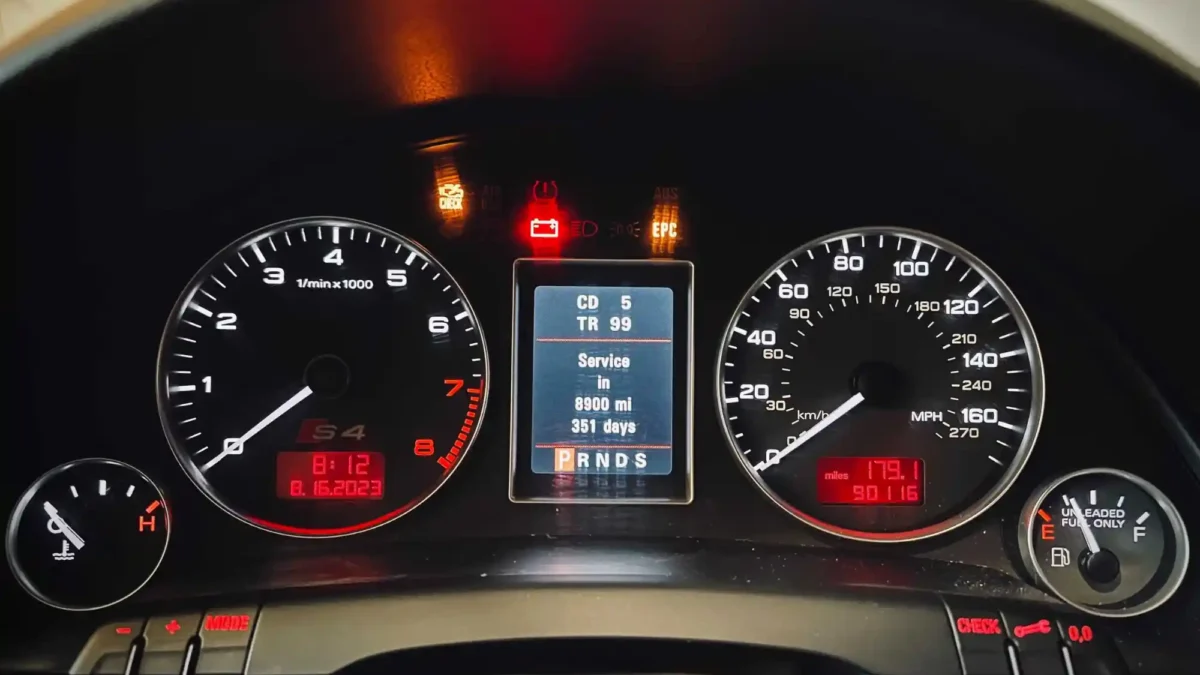
Introduction
Your automobile often gives clear signals when something is wrong. Unfortunately, many drivers ignore these signs until a small problem becomes an expensive repair. Understanding the Top Automobile Warning Signs You Should Never Ignore can help you protect your vehicle, improve road safety, and avoid unexpected breakdowns.
Warning signs can appear as unusual sounds, dashboard lights, fluid leaks, handling problems, or changes in engine performance. While some issues may seem minor, they can indicate serious mechanical or electrical faults.
Regular attention is therefore essential. A vehicle that receives timely maintenance is generally safer, more reliable, and less costly to operate. If your automobile behaves differently from normal, do not dismiss the change.
Why Automobile Warning Signs Matter
Modern vehicles contain many mechanical, electrical, and computer-controlled systems. When one component develops a problem, other parts can sometimes be affected.
For example, worn brake components can reduce stopping performance. A damaged cooling system can cause the engine to overheat. Similarly, unusual steering behavior may indicate problems with suspension or steering components.
The Top Automobile Warning Signs You Should Never Ignore should be treated as early warnings. Acting quickly can prevent further damage and reduce repair expenses.

It is also important to understand your vehicle’s normal behavior. Drivers who know how their automobile sounds, feels, and performs can often identify problems earlier.
Dashboard Warning Lights
Dashboard warning lights are among the clearest signs that your automobile needs attention. Different lights represent different systems, so drivers should understand their meanings.
Check Engine Light
A check engine light can indicate several problems. These may include sensor failures, ignition problems, fuel system issues, or emissions-related faults.
A flashing check engine light deserves immediate attention. Continuing to drive can potentially cause additional engine or exhaust system damage.
If the light remains illuminated, arrange a professional diagnostic check. Do not simply disconnect the battery to make the warning disappear.
Oil Pressure Warning Light
The oil pressure warning light is particularly important. Engine oil protects internal components by reducing friction and heat.
Low oil pressure can result from low oil levels, leaks, pump problems, or internal engine wear. Continuing to drive with low oil pressure can cause severe engine damage.
Stop safely and check the vehicle according to the manufacturer’s instructions. Professional inspection may be necessary.
Temperature Warning Light
An overheating warning can indicate a cooling system problem. Possible causes include low coolant, a damaged radiator, thermostat problems, or cooling fan failure.
Driving an overheating vehicle can cause expensive engine damage. If the temperature rises excessively, stop somewhere safe and allow the vehicle to cool.
Unusual Engine Noises
Your engine should operate with a relatively consistent sound. New or unusual noises should never be ignored.
A knocking sound can sometimes indicate serious internal engine problems. A ticking noise may relate to lubrication or valve components.
Grinding, rattling, or squealing can also point toward mechanical problems. The exact cause depends on the vehicle and when the noise occurs.
Instead of guessing, have the noise inspected. Early diagnosis can prevent a minor component from becoming a major repair.
Strange Brake Noises
Brakes are among the most important safety systems in any automobile. Therefore, unusual brake sounds deserve immediate attention.
A high-pitched squeal can sometimes occur when brake pads become worn. Grinding sounds are more concerning because they may indicate significant brake component wear.
You should also pay attention to changes in pedal feel. A soft, spongy, or unusually hard brake pedal can indicate a problem requiring professional inspection.
Never postpone brake repairs simply because the vehicle still stops. Brake performance can deteriorate quickly under certain conditions.
Vibrations While Driving
Unexpected vibrations can indicate problems with tires, wheels, suspension components, or drivetrain parts.
If your steering wheel vibrates at certain speeds, wheel balance or tire-related problems may be involved. Vibrations during braking can sometimes indicate brake rotor issues.
Strong vibrations should not be ignored. Continuing to drive with a damaged tire or suspension component can create safety risks.
A qualified technician can inspect the vehicle and determine the actual cause.
Pulling to One Side
A vehicle should generally travel straight when the steering wheel is held normally on a level road. If it consistently pulls toward one side, something may need attention.
Wheel alignment is one possible cause. Uneven tire pressure, tire damage, brake problems, and suspension faults can also create pulling.
Check your tire pressures first if appropriate. If the problem continues, arrange an inspection.
Ignoring persistent pulling can contribute to uneven tire wear and reduced handling control.
Unusual Fluid Leaks
Fluid underneath your automobile can be an important warning sign. Different fluids have different colors, textures, and smells.
Engine oil is commonly dark or brown. Coolant may appear in different colors depending on the vehicle and coolant type. Transmission fluid can also have a distinctive appearance.
Brake fluid leaks are especially concerning because they can affect braking performance.
Do not rely only on the fluid’s color to identify it. Have an unfamiliar leak professionally checked before continuing normal driving.
Excessive Smoke
Smoke coming from an automobile should never be treated as normal.
Blue or bluish smoke from the exhaust can indicate oil consumption. Thick white smoke may sometimes suggest coolant entering areas where it should not. Black smoke can indicate excessive fuel or combustion problems.
Smoke from under the hood may also indicate overheating, oil leaks, electrical faults, or other mechanical problems.
If smoke is heavy or accompanied by warning lights, unusual smells, or overheating, stop safely and seek professional assistance.
Poor Acceleration
A healthy automobile should respond reasonably when you accelerate. Noticeable hesitation, sluggish performance, or sudden loss of power can indicate several problems.
Potential causes include fuel delivery issues, ignition faults, clogged filters, sensor problems, or transmission concerns.
A sudden loss of power is particularly important because it can affect your ability to accelerate safely in traffic.
Do not continue ignoring repeated performance changes. Diagnostic testing can identify the underlying issue.
Difficulty Starting the Vehicle
Starting problems can develop gradually or appear suddenly. A weak battery is a common cause, but it is not the only possibility.
Starter motor problems, fuel delivery issues, ignition faults, and electrical problems can also prevent normal starting.
If your automobile requires several attempts before starting, investigate the issue early. Repeatedly forcing a problematic starting system may create additional complications.
Pay attention to clicking sounds, slow cranking, and dashboard behavior during startup.
Steering Problems
Steering should feel predictable and responsive. Changes in steering effort, unusual looseness, or difficulty controlling the vehicle require attention.
A steering wheel that suddenly becomes difficult to turn can indicate a power steering or related system problem. Excessive play may also point toward worn steering or suspension components.
Because steering problems can directly affect vehicle control, they should never be postponed.
If steering behavior changes suddenly, stop driving when it is safe to do so and arrange professional assistance.
Burning Smells
Unusual smells are another important category among the Top Automobile Warning Signs You Should Never Ignore.
A burning rubber smell may indicate belt, tire, or other component problems. A burning oil smell can suggest an oil leak reaching a hot engine component.
A burning electrical smell is especially concerning. It may indicate overheating wiring or an electrical component problem.
Do not attempt to mask unusual odors with air fresheners. Identify the source and have the vehicle checked.
Transmission Problems
Transmission problems can appear through delayed shifting, slipping, jerking, unusual noises, or difficulty selecting gears.
Automatic transmissions may hesitate before engaging. Manual transmissions can develop clutch-related problems, including slipping or difficulty changing gears.
Ignoring early transmission symptoms can result in more extensive damage.
If shifting behavior changes noticeably, professional diagnosis is usually the safest approach.
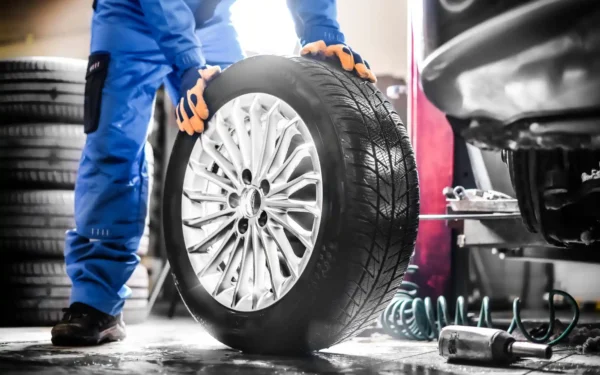
Changes in Tire Condition
Your tires provide the only direct contact between your automobile and the road. Their condition therefore has a major impact on safety.
Look for uneven tread wear, cracks, bulges, cuts, or objects embedded in the tire. Frequent pressure loss also deserves attention.
Uneven wear may indicate alignment, suspension, or inflation problems. A damaged sidewall can be particularly dangerous.
Regularly inspect your tires and maintain the pressure recommended by your vehicle manufacturer.
Reduced Fuel Efficiency
A sudden drop in fuel economy can sometimes signal an underlying vehicle problem.
Possible causes include underinflated tires, clogged filters, faulty sensors, engine issues, or driving-condition changes.
Fuel economy naturally varies with traffic, weather, driving style, and vehicle load. However, a significant unexplained change should receive attention.
Monitoring fuel consumption can help you notice problems before they become more serious.
When You Should Stop Driving
Some warning signs require more than a routine service appointment. Continuing to drive can increase the risk of damage or create dangerous conditions.
Stop driving when you experience severe overheating, major brake problems, significant fluid leaks, heavy smoke, sudden steering failure, or serious loss of vehicle control.
Warning lights combined with unusual noises or performance changes should also receive urgent attention.
When possible, move to a safe location and contact a qualified professional. Safety should always come before convenience.
How Regular Maintenance Prevents Problems
Preventive maintenance can reduce the likelihood of unexpected vehicle problems. Follow the maintenance schedule recommended by your automobile manufacturer.
Oil changes, brake inspections, tire checks, fluid inspections, battery testing, and filter replacement all contribute to dependable performance.
Regular inspections are particularly valuable because technicians can identify worn components before they fail completely.
Keep records of maintenance and repairs. These records can help you understand your vehicle’s condition and identify recurring problems.
Conclusion
Recognizing the Top Automobile Warning Signs You Should Never Ignore can help you protect your vehicle and everyone inside it. Warning lights, unusual noises, brake problems, fluid leaks, smoke, steering changes, vibrations, and poor performance should never be dismissed.
Choosing the right automobile tires is essential for safety, comfort, and better vehicle performance. Consider your vehicle type, driving conditions, tire size, tread design, and weather requirements before buying. Always check the manufacturer’s recommendations and choose high-quality tires that offer reliable grip, durability, and fuel efficiency.
Frequently Asked Questions
What are the most common signs that a car needs maintenance?
Common signs include warning lights, unusual noises, reduced fuel economy, poor acceleration, fluid leaks, brake problems, vibrations, and difficulty starting.
What warning lights should I not ignore?
Oil pressure, overheating, brake, and flashing check engine warnings deserve prompt attention. The appropriate response depends on the vehicle and warning system.
Is it safe to drive with the check engine light on?
It depends on the warning. A steady light may allow limited driving in some situations. A flashing light can indicate a more serious problem and requires immediate attention.
Why is my car making a strange noise?
Strange noises can come from the engine, brakes, suspension, tires, belts, or transmission. The timing and type of noise can help identify the source.
Why does my car pull to one side?
Possible causes include incorrect tire pressure, wheel alignment problems, uneven tire wear, brake issues, or suspension faults.
How often should I inspect my automobile?
Follow the manufacturer’s maintenance schedule. You should also check tires, fluids, lights, and other visible components regularly.
Can ignoring small car problems cause expensive repairs?
Yes. A small issue can sometimes damage related components when left untreated. Early diagnosis can often reduce repair costs and downtime.
Written by Clebsbio Editorial Team
Our specialized team of journalists and financial analysts cover technology, business, real estate, and economic developments across the United Arab Emirates and broader GCC region.